
Building strength doesn’t mean sacrificing joint health. Smart training strategies prioritize movement quality over ego-driven loads, ensuring longevity in your fitness journey while maximizing results.

The fundamental movement patterns of squatting, hinging, and lunging form the backbone of functional strength training. However, traditional approaches often overlook individual biomechanics, mobility limitations, and joint stress accumulation. By implementing joint-friendly variations of these essential movements, you can develop impressive strength, muscle mass, and athletic performance while keeping your knees, hips, and spine healthy for decades to come.
🏋️ Understanding Joint-Friendly Training Principles
Joint-friendly training isn’t about avoiding challenging exercises or lifting light weights indefinitely. Rather, it’s about matching exercise selection to your body’s current capabilities while progressively building strength through intelligent programming.
The key principles include respecting individual anatomy, controlling loading vectors, managing range of motion appropriately, and prioritizing movement quality over arbitrary weight targets. Your skeletal structure, previous injuries, and current mobility levels all influence which exercise variations will serve you best.
Pain should never be normalized during training. While muscle fatigue and metabolic discomfort are expected components of effective strength work, joint pain signals mismatched biomechanics or excessive stress concentration. Learning to distinguish between productive training discomfort and warning signals prevents acute injuries and chronic overuse issues.
Squat Variations That Protect Your Joints
The squat pattern builds lower body strength, improves mobility, and enhances athletic performance. However, not everyone should perform barbell back squats with maximal loads. Several effective alternatives reduce joint stress while delivering excellent results.
Goblet Squats for Natural Mechanics
Holding a dumbbell or kettlebell at chest level creates a counterbalance that encourages upright torso positioning and reduces lumbar stress. The goblet squat naturally promotes proper squat mechanics and allows most people to achieve good depth without excessive forward lean.
This variation places minimal compression on the spine compared to barbell variations while still loading the quadriceps, glutes, and core effectively. It’s particularly valuable for beginners learning movement patterns or experienced lifters managing back sensitivity.
Box Squats for Controlled Depth
Squatting to a box provides a concrete depth target and momentarily unloads the joints at the bottom position. This brief deload reduces cumulative stress while still building strength through the full range of motion.
Box height can be adjusted based on mobility limitations or rehabilitation needs. Starting with higher boxes and progressively lowering them allows gradual adaptation without forcing ranges your body isn’t ready to handle safely.
Split Stance Squats for Reduced Spinal Loading
Elevating the rear foot creates a Bulgarian split squat position that heavily loads the front leg while maintaining relatively upright torso positioning. This unilateral variation requires less absolute weight than bilateral squats, significantly reducing spinal compression.
The split stance also identifies and addresses strength imbalances between legs, preventing compensation patterns that often lead to overuse injuries. Most people can maintain better form with lighter loads in this position compared to traditional squats.
Hinge Movements Without Hip and Back Pain
Hip hinge patterns develop posterior chain strength essential for athletic performance, injury prevention, and daily function. Traditional deadlifts remain excellent exercises for many people, but alternatives exist for those with specific limitations or goals.
Romanian Deadlifts for Hamstring Development
The Romanian deadlift (RDL) emphasizes the eccentric lowering phase and maintains constant tension on the hamstrings and glutes. Starting from a standing position rather than the floor reduces lower back stress and makes proper form more accessible.
This variation teaches the fundamental hinge pattern while allowing you to feel the stretch in your hamstrings, providing better kinesthetic feedback than conventional deadlifts. The constant tension also creates significant muscle growth stimulus without requiring maximal loads.
Trap Bar Deadlifts for Neutral Spine Positioning
The trap bar (hex bar) allows you to stand inside the implement rather than behind it. This design shift moves the load’s center of mass closer to your body’s center of gravity, reducing shear forces on the lumbar spine.
Most people can maintain a more neutral spine position throughout trap bar deadlifts compared to conventional barbell deadlifts. The handles also typically sit higher than a standard barbell, reducing the range of motion demand and making the movement more accessible for those with mobility restrictions.
Cable Pull-Throughs for Pattern Practice
This exercise uses a cable machine to create resistance during the hip extension phase of the hinge pattern. The cable provides smooth resistance that doesn’t compress the spine, making it ideal for learning proper mechanics or training around back sensitivity.
Cable pull-throughs allow higher repetition ranges with less fatigue accumulation than loaded deadlift variations. They’re excellent for warm-ups, burnout sets, or primary movements when managing joint issues.
Lunge Variations for Knee-Friendly Lower Body Training
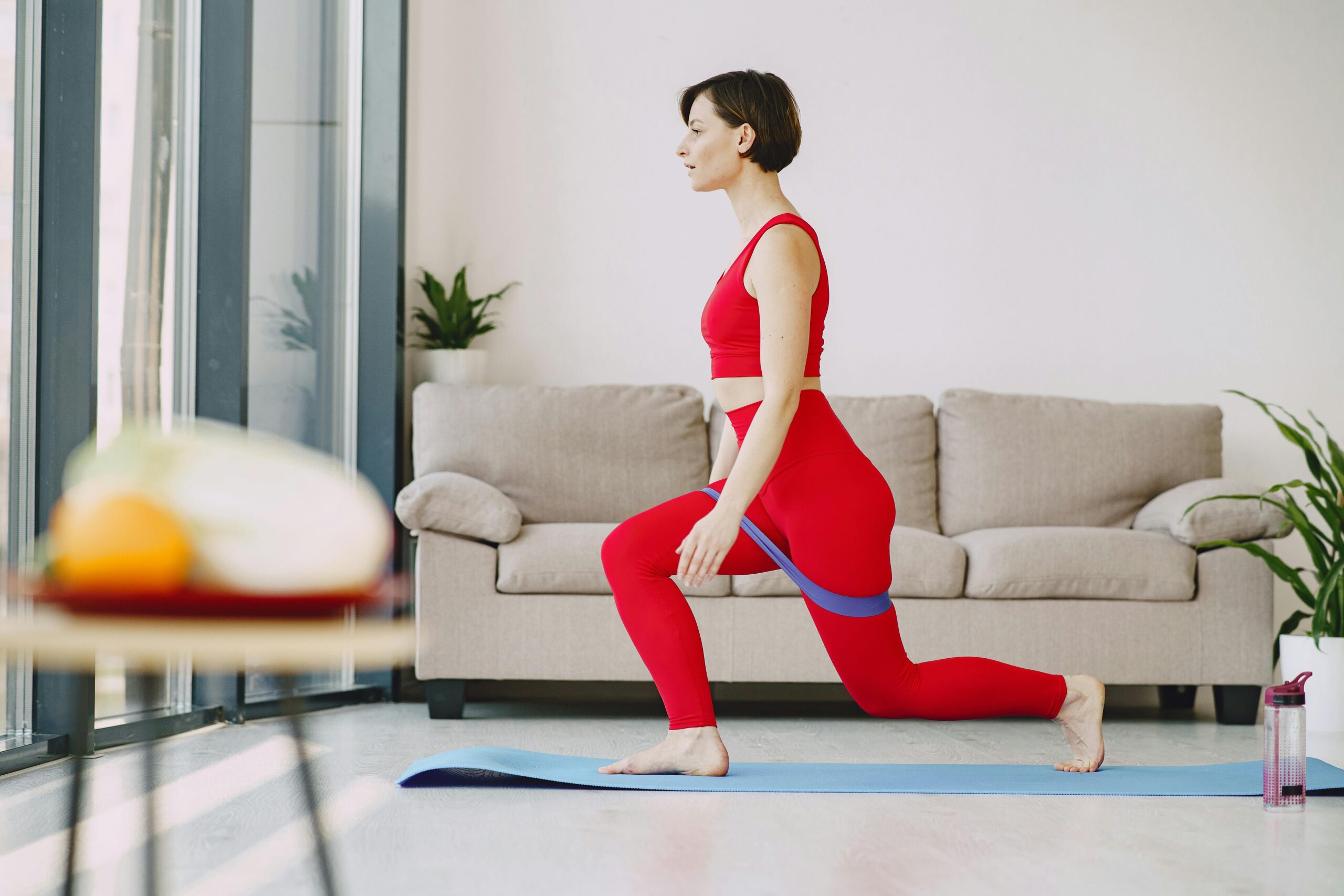
Lunges build unilateral strength, improve balance, and develop functional movement capacity. However, forward lunges with poor control often create excessive knee stress. Modified approaches provide the benefits without the drawbacks.
Reverse Lunges for Reduced Knee Shear
Stepping backward rather than forward changes the force vectors acting on the front knee, reducing shear stress on the joint. The reverse lunge naturally encourages sitting back into the hip rather than driving the knee forward excessively.
This variation also proves easier to control for most people, as the eccentric loading happens in a more stable position. Balance demands decrease compared to forward lunges, allowing better focus on strength development rather than stability challenges.
Lateral Lunges for Hip Mobility
Side-to-side movement patterns often get neglected in traditional training programs, yet they’re essential for athletic function and joint health. Lateral lunges develop the adductors, abductors, and glutes while improving frontal plane stability.
This variation typically allows comfortable depth for people with knee issues during forward or backward lunges. The lateral weight shift emphasizes the hips while keeping stress off sensitive knee structures.
Elevated Split Squats for Targeted Loading
Placing the rear foot on a bench or step creates a static lunge position that eliminates the balance challenge of moving lunges while maximizing the training effect on the front leg. This setup allows heavier loading with better control and form maintenance.
The elevation increases range of motion at the front hip and knee, but this can be adjusted by changing the height of the rear foot elevation. Lower elevations reduce demands while still providing excellent training stimulus.
⚡ Programming Strategies for Long-Term Joint Health
Exercise selection represents only part of joint-friendly training. How you program these movements throughout your week and training cycle matters equally for sustainable progress.
Volume Distribution and Recovery
Spreading training volume across multiple sessions per week rather than crushing yourself in single marathon workouts reduces per-session stress accumulation. Two or three moderate sessions typically produce better results with less joint fatigue than one exhausting session weekly.
Strategic deload weeks every 4-6 weeks allow accumulated stress to dissipate while maintaining movement patterns and strength. Reducing training volume by 40-50% periodically prevents overuse injuries and supports long-term progression.
Exercise Rotation for Varied Stress
Repeatedly performing identical exercises creates repetitive stress patterns that can lead to overuse issues. Rotating through different variations of squat, hinge, and lunge patterns every 4-8 weeks provides novel stimuli while giving specific joint structures recovery time.
This rotation doesn’t mean random exercise selection. Rather, it involves planning variation progressions that build on previous training blocks while shifting stress patterns slightly.
Load Management and Progression
Progressive overload drives adaptation, but progression doesn’t always mean adding weight to the bar. Increasing repetitions, improving movement quality, reducing rest periods, or controlling tempo all represent valid progression methods that don’t increase joint stress linearly with intensity.
Reserve true maximal efforts for occasional testing rather than regular training. Most strength development occurs at 70-85% of maximum capacity, intensities that allow better technique maintenance and recovery capacity.
Mobility Work and Movement Preparation
Joint-friendly training extends beyond the working sets. Proper preparation before training and maintenance work between sessions significantly impact how your joints tolerate training loads.
Dynamic Warm-Up Sequences
Movement-based warm-ups that progress from simple to complex prepare your nervous system and joints for training demands. Hip circles, leg swings, bodyweight squats, and lunges gradually increase range of motion and muscle activation.
Spending 10-15 minutes on thoughtful warm-up work isn’t wasted time—it’s joint insurance that pays dividends through better performance and reduced injury risk during your working sets.
Targeted Mobility Drills
Identifying and addressing specific mobility restrictions allows you to perform exercises through appropriate ranges with good mechanics. Hip flexor stretches, ankle mobility drills, and thoracic spine rotations commonly benefit most people’s squat, hinge, and lunge patterns.
Consistency matters more than duration for mobility work. Brief daily practice produces better results than occasional lengthy sessions. Five minutes daily surpasses thirty minutes weekly for developing lasting mobility improvements.
🎯 Customizing Your Joint-Friendly Program
Individual variation means no single program works optimally for everyone. Honest self-assessment and willingness to modify based on feedback determine long-term success.
Listening to Your Body’s Signals
Morning stiffness, persistent soreness in specific joints, and reduced range of motion signal excessive stress accumulation. These indicators suggest the need for exercise substitution, volume reduction, or additional recovery time.
Conversely, feeling strong, moving well, and recovering quickly between sessions indicates your current approach matches your capacity well. Gradual progression makes sense when these positive indicators dominate.
Adjusting for Life Stress
Training stress represents only one component of your total stress load. Work demands, sleep quality, nutritional status, and psychological stress all impact recovery capacity and injury risk.
During high-stress life periods, reducing training intensity and volume prevents the combination of stressors from overwhelming your system. Maintaining movement consistency with reduced demands often proves more beneficial than pushing through fatigue and risking injury.
Tracking Progress Beyond Weight on the Bar
Joint-friendly training requires redefining success metrics. While strength progression remains important, other indicators provide valuable feedback about training effectiveness and sustainability.
Movement quality improvements—achieving greater depth with control, maintaining better positions under fatigue, or reducing compensatory movement—represent meaningful progress. Video recording your lifts periodically allows objective assessment of technical development.
Subjective feelings of how exercises affect your joints matter tremendously. If specific variations consistently leave your knees or back feeling aggravated, that feedback should guide exercise selection regardless of how “good” an exercise is supposed to be.
Energy levels, sleep quality, and enthusiasm for training sessions provide insight into recovery status. Dreading workouts or feeling constantly fatigued suggests programming adjustments are needed even if objective performance hasn’t declined.
Building a Sustainable Strength Foundation
The most effective training program is one you can perform consistently for years, not one that produces rapid gains followed by injury-forced breaks. Joint-friendly squat, hinge, and lunge variations allow you to build impressive strength while maintaining the joint health necessary for long-term participation.
Mastering fundamental movement patterns with appropriate variations creates a robust foundation that supports progressive overload without accumulating excessive joint stress. This approach may seem conservative initially, but consistency over months and years produces results that far exceed aggressive short-term programs that inevitably lead to setbacks.
Your training should enhance your life quality rather than compromise it. Choosing exercises that match your current capabilities, progressing intelligently, and prioritizing recovery alongside training intensity ensures your strength journey supports your long-term health and performance goals. The variations and strategies outlined here provide the tools to train hard, train smart, and keep training for decades to come. 💪