
Managing your week doesn’t have to feel like navigating a maze. With the right tools and a structured approach, you can transform chaotic Monday mornings into organized, productive experiences that set the tone for success.

In today’s fast-paced world, keeping track of tasks, appointments, goals, and personal commitments can quickly become overwhelming. That’s where a well-designed printable check-in sheet becomes your secret weapon for maintaining balance and clarity throughout your week.
Why Weekly Reviews Transform Your Productivity 📊
Before diving into the practical aspects of using a check-in sheet, let’s understand why weekly reviews are such powerful productivity tools. Research consistently shows that people who conduct regular weekly reviews are significantly more likely to achieve their goals and maintain lower stress levels.
A weekly review serves as your personal reset button. It creates space for reflection, allows you to celebrate wins, identify obstacles, and recalibrate your approach before another week begins. Without this dedicated time for assessment, tasks slip through the cracks, priorities become muddled, and that nagging feeling of being behind never quite goes away.
The beauty of a printable check-in sheet is that it transforms this abstract concept into a concrete, actionable process. Instead of vaguely thinking about your week, you have specific prompts, designated spaces, and a visual representation of your progress that keeps you accountable and motivated.
What Makes a Check-In Sheet Truly Effective? ✨
Not all check-in sheets are created equal. An effective printable check-in sheet strikes a delicate balance between structure and flexibility, providing enough guidance to be useful without becoming restrictive or overwhelming.
Essential Components of a Quality Check-In Sheet
The most effective check-in sheets incorporate several key elements that address different aspects of your weekly planning and review process. First, they include space for reviewing the previous week—what worked, what didn’t, and what you learned. This reflection component is crucial for continuous improvement.
Second, quality sheets provide designated areas for setting priorities for the upcoming week. This isn’t just a to-do list; it’s a strategic space where you identify your top three to five priorities that will move the needle forward in important areas of your life.
Third, they incorporate wellness and balance considerations. Your week isn’t just about work tasks; it’s about maintaining physical health, nurturing relationships, pursuing personal growth, and managing your energy effectively. A comprehensive check-in sheet acknowledges these dimensions.
The Power of Physical vs. Digital Planning
While digital tools certainly have their place in productivity systems, printable check-in sheets offer unique advantages that shouldn’t be overlooked. The act of physically writing engages different neural pathways than typing, leading to better retention and deeper cognitive processing of your plans and commitments.
There’s also something psychologically satisfying about seeing your week laid out on paper, checking off completed items, and having a tangible record of your progress. Digital tools can disappear with a swipe or get buried under notifications, but a physical check-in sheet on your desk serves as a constant visual reminder of your intentions.
How to Maximize Your Weekly Check-In Sessions 🎯
Having a great printable check-in sheet is only part of the equation. The real magic happens when you establish a consistent ritual around using it. Here’s how to create a weekly check-in practice that actually sticks.
Choosing Your Optimal Review Time
The timing of your weekly review matters more than you might think. Most productivity experts recommend conducting your weekly check-in during a quiet period when you’re unlikely to be interrupted. For many people, Sunday evening or Monday morning works best, providing a clear transition point between weeks.
Consider your personal energy rhythms. Are you a morning person who thinks most clearly with a cup of coffee at dawn? Or do you prefer evening reflection when the day’s activities have settled? Choose a time when your mind is clear and you can give the process your full attention without rushing.
Block this time on your calendar as a non-negotiable appointment with yourself. Treat it with the same respect you’d give an important meeting with a colleague or client. This consistency transforms the weekly check-in from an occasional activity into a reliable habit that becomes automatic over time.
Creating the Right Environment
Your environment significantly impacts the quality of your weekly review. Find a comfortable, quiet space where you won’t be interrupted. Gather everything you need beforehand: your printable check-in sheet, pens, your calendar, any project notes, and perhaps a beverage you enjoy.
Some people find that adding a small ritual—lighting a candle, playing instrumental music, or starting with a brief meditation—helps signal to their brain that this is sacred planning time. These environmental cues create a mental transition that helps you fully engage with the process.
Breaking Down Your Weekly Check-In Process 📝
Let’s walk through an effective step-by-step process for using your printable check-in sheet to conduct thorough yet efficient weekly reviews.
Step One: Review and Reflect
Begin by looking back at the previous week. Pull out last week’s check-in sheet and review what you intended to accomplish. What did you actually complete? Where did you exceed expectations? Where did you fall short, and more importantly, why?
This isn’t about judgment or criticism; it’s about gathering data. Perhaps you consistently overestimate how much you can accomplish in a day. Maybe certain types of tasks always take longer than anticipated. Or you might discover that particular times of day are more productive for specific types of work.
Record your observations on your check-in sheet. Capture lessons learned, patterns noticed, and insights gained. This reflection section becomes an invaluable resource over time, helping you make increasingly accurate plans and understand your working style more deeply.
Step Two: Brain Dump and Capture
Before you can plan effectively, you need to empty your mental cache. Spend five to ten minutes doing a brain dump of everything swirling around in your head: tasks, ideas, concerns, reminders, projects, and commitments. Write it all down without filtering or organizing—just capture everything.
This process is incredibly liberating. By transferring everything from your mind onto paper, you free up mental energy and reduce that background anxiety that comes from trying to remember everything. Your brain can stop working so hard to hold onto information and instead focus on processing and planning.
Step Three: Prioritize Strategically
Now comes the crucial work of prioritization. Look at your brain dump and identify what truly matters this week. What are the three to five most important outcomes you want to achieve? These become your weekly priorities—the non-negotiables that deserve your best time and energy.
Use your check-in sheet to record these priorities prominently. Many effective sheets include a dedicated “Top Priorities” section at the top of the page, ensuring these critical items remain visible and top-of-mind throughout the week.
Consider using the Eisenhower Matrix framework to categorize tasks: important and urgent, important but not urgent, urgent but not important, and neither urgent nor important. Your top weekly priorities should primarily come from the first two categories.
Step Four: Schedule and Time-Block
Priorities without scheduled time are just wishes. Take your top priorities and assign them specific time blocks in your calendar. When exactly will you work on that important project? Which morning will you dedicate to that challenging task that requires focused attention?
Your printable check-in sheet should include space for daily planning, allowing you to break down weekly priorities into daily action items. This granular level of planning dramatically increases the likelihood that important tasks actually get completed rather than perpetually rolled over to next week.
Customizing Your Check-In Sheet for Personal Success 🎨
While standard templates provide an excellent starting point, the most effective check-in sheets are those customized to fit your unique life, work style, and priorities. Here’s how to personalize your approach.
Adding Life Balance Categories
Beyond work tasks, consider adding sections to your check-in sheet that address other important life areas. This might include health and fitness goals, relationship commitments, personal development activities, creative projects, or home management tasks.
Many people find it helpful to rate their satisfaction in different life areas each week on a simple scale. This provides valuable feedback about whether you’re maintaining balance or neglecting important dimensions of your life in favor of work demands.
Incorporating Habit Tracking
Your weekly check-in sheet can double as a habit tracker, helping you monitor consistency with practices you’re trying to establish. Whether it’s drinking enough water, exercising regularly, practicing gratitude, or maintaining a bedtime routine, visual tracking increases accountability and motivation.
Create a simple grid where you can mark off each day you complete a habit. The visual chain of checkmarks becomes a powerful motivator—you don’t want to break the streak! This simple technique has helped countless people establish lasting positive habits.
Overcoming Common Check-In Sheet Challenges 💪
Even with the best intentions and tools, you’ll likely encounter obstacles in maintaining a consistent weekly review practice. Here’s how to address the most common challenges.
When You Miss a Week
Life happens, and occasionally you’ll miss your weekly check-in. The key is not to let one missed week derail your entire system. Simply pick up where you left off without guilt or self-criticism. Your check-in sheet is a tool to serve you, not another source of stress or perfectionism.
If you find yourself consistently missing weekly reviews, examine why. Is the time you’ve chosen not working? Is your sheet too complicated? Are you trying to do too much during the review? Adjust accordingly until you find a sustainable rhythm.
Dealing with Overwhelm
Sometimes looking at everything on your plate can feel overwhelming rather than clarifying. If your check-in sessions leave you feeling anxious rather than organized, you may need to simplify your approach. Start with just three sections: what happened last week, top three priorities for next week, and one self-care commitment.
You can always add complexity later once the basic habit is established. Remember that the goal is progress, not perfection. A simple check-in that actually happens is infinitely more valuable than an elaborate system you never use.
Measuring the Impact of Regular Weekly Reviews 📈
After you’ve been using your printable check-in sheet for several weeks, you’ll start noticing tangible benefits. Many people report feeling more in control of their time, experiencing less stress about forgetting important tasks, and making consistent progress toward long-term goals.
Keep your completed check-in sheets in a folder or binder. After a month or quarter, review them collectively. You’ll be amazed at how much you’ve accomplished and how much clearer patterns become when you can see multiple weeks laid out together. This long-term perspective is incredibly valuable for strategic planning and goal-setting.
The data you collect through consistent weekly reviews also helps you make better commitments and set more realistic expectations. You’ll develop an intuitive sense of how long tasks actually take, which types of activities drain versus energize you, and what optimal week structure looks like for your unique situation.
Integrating Your Check-In Sheet with Other Productivity Tools 🔗
Your printable check-in sheet doesn’t exist in isolation—it’s most effective when integrated with your broader productivity ecosystem. Use it alongside your calendar, project management systems, and daily planning tools for a comprehensive approach.
For example, your weekly check-in might inform what you schedule in your digital calendar for the upcoming week. Tasks identified during your review might get added to your project management software. Your check-in sheet serves as the strategic overview that guides how you use more tactical, day-to-day tools.
Think of your weekly check-in as the conductor of your productivity orchestra. All your various tools and systems are instruments, each playing their part, but the weekly review ensures they’re all working together harmoniously toward your larger objectives.
Making Your Weekly Reviews a Sustainable Practice 🌱
The ultimate goal isn’t just to complete weekly reviews—it’s to establish a sustainable practice that becomes an integrated part of your life. This happens when the process feels valuable rather than burdensome, when you genuinely look forward to this time rather than viewing it as another obligation.
Start small and build gradually. Perhaps begin with just fifteen minutes per week, focusing only on the essentials. As the habit solidifies and you experience the benefits, you can expand the practice to include more elements. This patient approach leads to lasting change rather than another abandoned productivity experiment.
Remember that your check-in practice will evolve over time, and that’s perfectly natural. What works during a busy season at work might need adjustment during a quieter period. Stay flexible and willing to refine your approach based on what you learn about yourself and your rhythms.
Your Invitation to Weekly Clarity and Calm 🌟
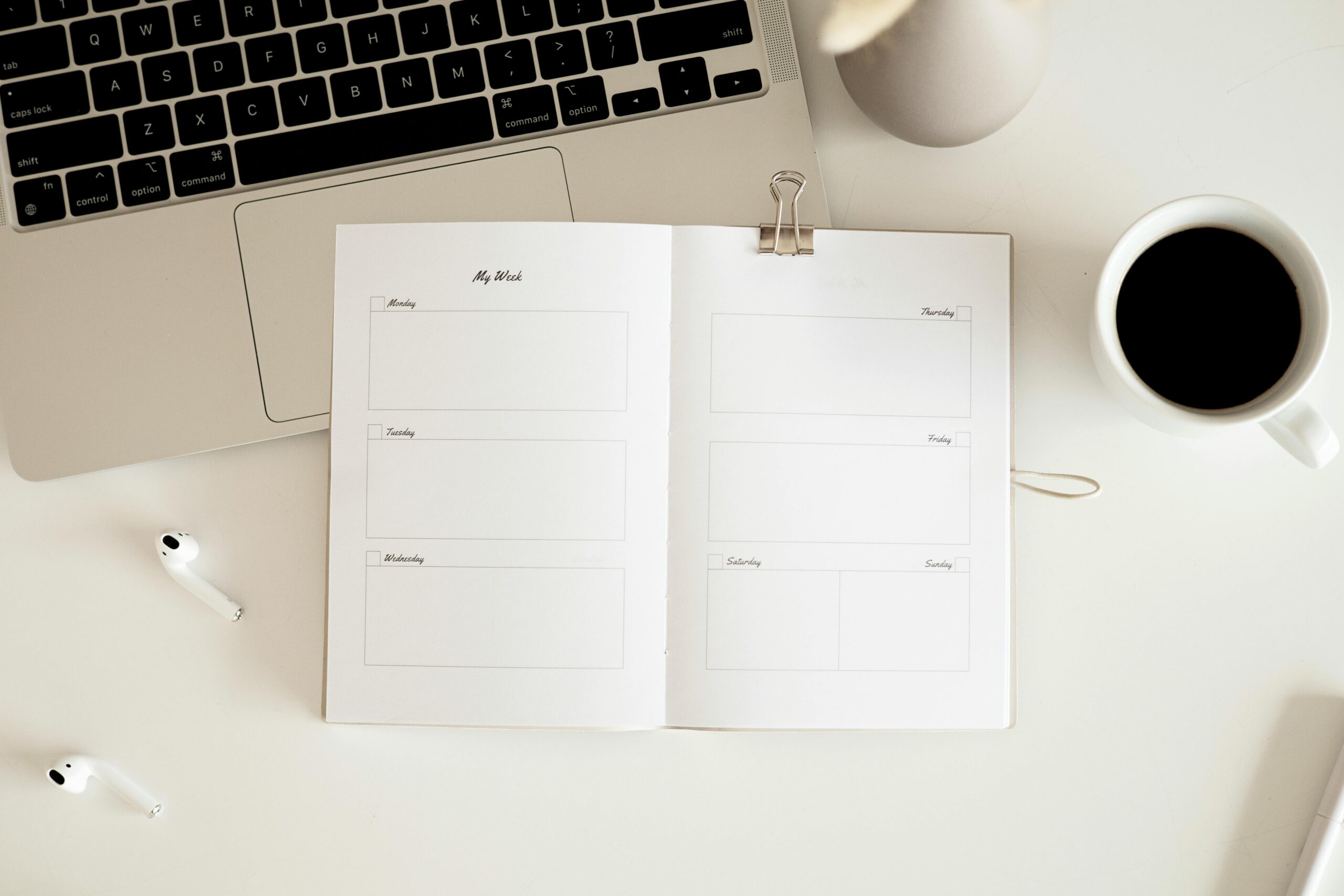
A printable check-in sheet for weekly reviews is more than just another planning tool—it’s an investment in your effectiveness, wellbeing, and peace of mind. By dedicating a small amount of time each week to reflection and planning, you create clarity that ripples through every area of your life.
The simple act of sitting down with your check-in sheet, reviewing your week, and setting intentions for the days ahead can transform how you experience time. Instead of weeks blurring together in an exhausting rush, each week becomes a distinct chapter with its own focus, accomplishments, and lessons.
Start your next week differently. Download or create a printable check-in sheet that resonates with you, schedule your first weekly review session, and discover how this small practice can create surprisingly significant shifts in your productivity, focus, and overall satisfaction. Your future self will thank you for establishing this simple yet powerful habit today.