
Movement quality analysis is transforming how athletes and fitness enthusiasts optimize their walking and jogging performance, unlocking unprecedented insights into biomechanics.

Whether you’re a casual walker looking to improve your daily routine or an aspiring runner building endurance, understanding the science behind movement quality can revolutionize your approach to fitness. Modern technology has made it possible to analyze every stride, step, and motion pattern with remarkable precision, offering personalized feedback that was once available only to elite athletes in specialized laboratories.
🚶 The Science Behind Movement Quality Assessment
Movement quality analysis examines the biomechanical efficiency of your walking and jogging patterns. This comprehensive evaluation looks at factors including stride length, cadence, ground contact time, vertical oscillation, and body alignment throughout the gait cycle. By identifying inefficiencies and compensatory patterns, individuals can make targeted improvements that enhance performance while reducing injury risk.
The human gait is an incredibly complex movement pattern involving coordinated action of muscles, joints, and the nervous system. When we walk or jog, our bodies execute thousands of micro-adjustments per minute to maintain balance, propel us forward, and absorb impact forces. Traditional coaching relied heavily on visual observation, but modern movement analysis tools provide objective data that reveals subtle issues invisible to the naked eye.
Key Biomechanical Metrics That Matter
Understanding which metrics to monitor is essential for meaningful improvement. Cadence refers to steps per minute, with optimal walking cadence typically ranging from 100-120 steps per minute, while light jogging generally falls between 160-180. Stride length measures the distance covered between successive footfalls of the same foot, and this should naturally increase as speed increases without overstriding.
Ground contact time indicates how long your foot remains in contact with the surface during each step. Shorter contact times generally correlate with more efficient running mechanics, though this varies based on speed and terrain. Vertical oscillation measures how much your body bounces up and down with each stride—excessive bouncing wastes energy that could propel you forward.
📱 Technology Revolutionizing Movement Analysis
The democratization of movement analysis technology has been nothing short of remarkable. Smartphone applications now leverage built-in accelerometers and gyroscopes to capture movement data, while wearable sensors provide increasingly sophisticated metrics. These tools have made professional-grade analysis accessible to anyone committed to improving their movement quality.
Inertial measurement units (IMUs) attached to shoes, waistbands, or wrists can track three-dimensional movement patterns with impressive accuracy. Computer vision technology enables video analysis that automatically identifies joint angles, body positioning, and movement asymmetries. Machine learning algorithms compare your movement patterns against optimal biomechanical models, highlighting specific areas for improvement.
Wearable Sensors and Smart Devices
Modern wearables have evolved far beyond simple step counters. Advanced fitness trackers now measure running power, lactate threshold estimates, training load, and recovery metrics. GPS watches provide detailed pace and elevation data, while chest strap monitors and optical sensors deliver accurate heart rate information that helps correlate physiological effort with movement efficiency.
Smart insoles represent an emerging category that captures foot strike patterns, pressure distribution, and pronation characteristics. This foot-level data proves invaluable for identifying issues that originate at ground contact and cascade up the kinetic chain. Some devices even provide real-time audio feedback during workouts, coaching you to adjust your form immediately.
🎯 Identifying and Correcting Movement Inefficiencies
The first step toward improvement is accurate assessment of your current movement patterns. Many people develop compensatory mechanics over years without realizing these patterns limit performance and increase injury susceptibility. Common issues include overstriding, excessive heel striking, poor arm swing mechanics, inadequate hip extension, and asymmetrical loading patterns.
Overstriding occurs when your foot lands too far in front of your center of mass, creating a braking force with each step. This inefficient pattern increases impact forces on joints and requires more energy to maintain speed. Correcting overstriding typically involves increasing cadence while maintaining the same speed, which naturally shortens stride length and promotes midfoot striking.
The Walking Form Fundamentals
Optimal walking mechanics start with posture—maintaining an upright torso with shoulders back and down, avoiding excessive forward lean. Your gaze should be directed approximately 10-20 feet ahead, not down at your feet. Arms should swing naturally from the shoulders in opposition to leg movement, with elbows bent at roughly 90 degrees.
Foot placement should follow a relatively straight line, avoiding excessive crossover that wastes lateral energy. The heel strikes first in normal walking, followed by a smooth roll through the midfoot to toe-off. Push-off should be active, using the calf muscles and foot extensors to propel yourself forward rather than simply falling into the next step.
Light Jogging Technique Optimization
The transition from walking to light jogging introduces a flight phase where both feet briefly leave the ground. This fundamental change requires different biomechanical strategies. Landing should occur closer to your center of mass, typically on the midfoot or forefoot rather than the heel, allowing your foot and ankle to act as natural shock absorbers.
Maintaining a slight forward lean from the ankles (not the waist) helps harness gravity for propulsion. Your feet should land quietly—loud, slapping footfalls indicate excessive impact forces and inefficient mechanics. Core engagement throughout the movement cycle provides stability and enables efficient power transfer from lower to upper body.
💪 Building a Progressive Training Plan
Improving movement quality requires systematic progression rather than dramatic overnight changes. Attempting to completely overhaul your gait pattern immediately often leads to discomfort, injury, or abandonment of the new technique. Instead, implement gradual adjustments over weeks or months, allowing your neuromuscular system to adapt to new movement patterns.
Begin with short intervals of focused form work during otherwise easy sessions. For example, dedicate two minutes of every ten to consciously implementing better mechanics while maintaining comfortable effort. As the improved patterns become more natural, gradually extend these focused intervals until the new technique becomes your default movement pattern.
Periodization and Skill Acquisition
Movement quality work fits within the broader training periodization framework. Early season or base-building phases provide ideal opportunities for form refinement, as intensity and volume remain relatively low. This allows mental and physical resources to focus on technique without the competing demands of high-intensity workouts.
Consider dedicating specific sessions entirely to technique work, maintaining very comfortable paces that allow conscious attention to movement quality. Video recording yourself from multiple angles during these sessions provides valuable feedback. Compare recordings across weeks to objectively assess progress and identify persistent issues requiring additional attention.
🔍 Common Walking and Jogging Pitfalls
Many enthusiasts unknowingly adopt counterproductive habits that undermine performance and increase injury risk. Identifying these common pitfalls helps you avoid them or recognize when you’ve fallen into these patterns. Awareness represents the essential first step toward correction.
Excessive tension, particularly in the shoulders, neck, and hands, wastes energy and impairs fluid movement. Many people clench their fists or elevate their shoulders when fatigued, creating unnecessary muscular work. Consciously relaxing these areas—keeping hands loosely cupped and shoulders dropped—conserves energy for productive movement.
The Overtraining Trap
Enthusiasm for improvement sometimes leads to excessive training volume or intensity that prevents adaptation and degrades movement quality. Fatigue-induced form breakdown reinforces poor movement patterns and increases injury susceptibility. Respecting recovery allows your body to consolidate technique improvements and adapt to training stimuli.
Monitor for signs of overtraining including persistent soreness, elevated resting heart rate, mood disturbances, and declining performance despite consistent effort. When these appear, reduce volume and intensity rather than pushing through. Quality movement requires adequate recovery—tired bodies move poorly regardless of conscious intention.
🏃 Integration of Strength and Mobility Work
Movement quality during walking and jogging depends heavily on the strength and mobility of supporting structures. Even perfect technical knowledge won’t produce optimal movement if you lack the physical capacity to execute proper mechanics. Complementary strength training and mobility work should accompany technique-focused practice.
Hip strength particularly influences gait quality. Weak glutes contribute to excessive knee valgus, overpronation, and inadequate hip extension. Exercises targeting hip abduction, extension, and external rotation—including clamshells, single-leg bridges, and lateral band walks—build the foundation for efficient movement patterns.
Mobility Requirements for Optimal Gait
Adequate ankle dorsiflexion enables proper forward progression without compensatory movements up the kinetic chain. Limited ankle mobility forces the foot to turn outward or causes premature heel lift, creating inefficient force transmission. Regular ankle mobility work, including wall stretches and controlled articular rotations, maintains necessary range of motion.
Hip flexor length affects stride mechanics and posture. Tight hip flexors, often resulting from prolonged sitting, pull the pelvis into anterior tilt and limit hip extension during push-off. This restriction shortens stride length and forces the lower back to compensate. Daily hip flexor stretching and strengthening of antagonist muscles helps restore balanced function.
📊 Tracking Progress and Setting Benchmarks
Meaningful improvement requires objective measurement. Establishing baseline metrics provides reference points against which to measure progress. Choose several key indicators most relevant to your goals, and assess them regularly using consistent testing protocols.
Simple field tests complement technology-based assessments. Time a standard walking or jogging route at perceived easy effort, noting how pace progresses over weeks. Improved efficiency should allow faster speeds at the same perceived effort or lower heart rates at consistent paces. Video analysis at monthly intervals visually documents form improvements.
Creating Personalized Movement Goals
Generic goals rarely inspire sustained effort. Identify specific, measurable objectives based on your assessment results. Perhaps you’ll aim to increase walking cadence from 105 to 115 steps per minute, or reduce vertical oscillation during jogging by 10 percent. Specific targets focus training efforts and provide clear success criteria.
Balance outcome goals (performance improvements) with process goals (technique refinements). While achieving a certain pace or distance matters, focusing exclusively on outcomes can lead to form compromise. Process goals keep attention on movement quality that ultimately drives performance gains.
🌟 Real-World Success Stories and Applications
Movement quality analysis benefits diverse populations beyond competitive athletes. Rehabilitation specialists use gait analysis to track recovery from injuries and surgical procedures. Physical therapists identify movement compensations that indicate incomplete healing or persistent weaknesses requiring attention.
Older adults particularly benefit from walking quality assessment. Age-related changes in gait mechanics increase fall risk and reduce functional independence. Targeted interventions based on objective analysis can restore safer, more efficient movement patterns that maintain quality of life and autonomy.
From Rehabilitation to Performance
The journey from injury recovery to peak performance follows a continuum where movement quality analysis provides guidance at every stage. Initially, assessment identifies compensatory patterns developed during injury. As rehabilitation progresses, monitoring ensures proper mechanics as loading gradually increases. Eventually, the same analytical tools optimize performance in fully healthy individuals.
Corporate wellness programs increasingly incorporate movement analysis, recognizing that walking mechanics affect daily energy levels, musculoskeletal health, and long-term medical costs. Simple interventions improving employee gait quality deliver measurable returns through reduced pain complaints, fewer sick days, and enhanced productivity.
🔬 The Future of Movement Analysis Technology
Emerging technologies promise even more accessible and sophisticated movement analysis. Artificial intelligence systems will provide increasingly personalized coaching that adapts recommendations based on your unique biomechanics, training history, and goals. Augmented reality applications may overlay real-time form cues in your field of vision during workouts.
Improved sensor miniaturization will make comprehensive biomechanical monitoring invisible and unobtrusive. Smart fabrics with embedded sensors could continuously assess movement quality without requiring dedicated devices. Cloud-based platforms will enable comparison against vast databases, identifying optimal techniques for individuals with similar physical characteristics.
🎓 Educational Resources and Continued Learning
Mastering movement quality represents an ongoing journey rather than a destination. Numerous resources support continued education beyond this article. Biomechanics courses, either online or through universities, provide deeper understanding of the principles underlying efficient movement. Certified running and walking coaches offer personalized analysis and programming based on your specific needs.
Scientific literature continues revealing new insights into human locomotion. Following research publications, attending workshops, and engaging with communities of practitioners keeps your knowledge current. Many professional organizations offer certifications in movement analysis, providing structured learning paths for those seeking expertise.
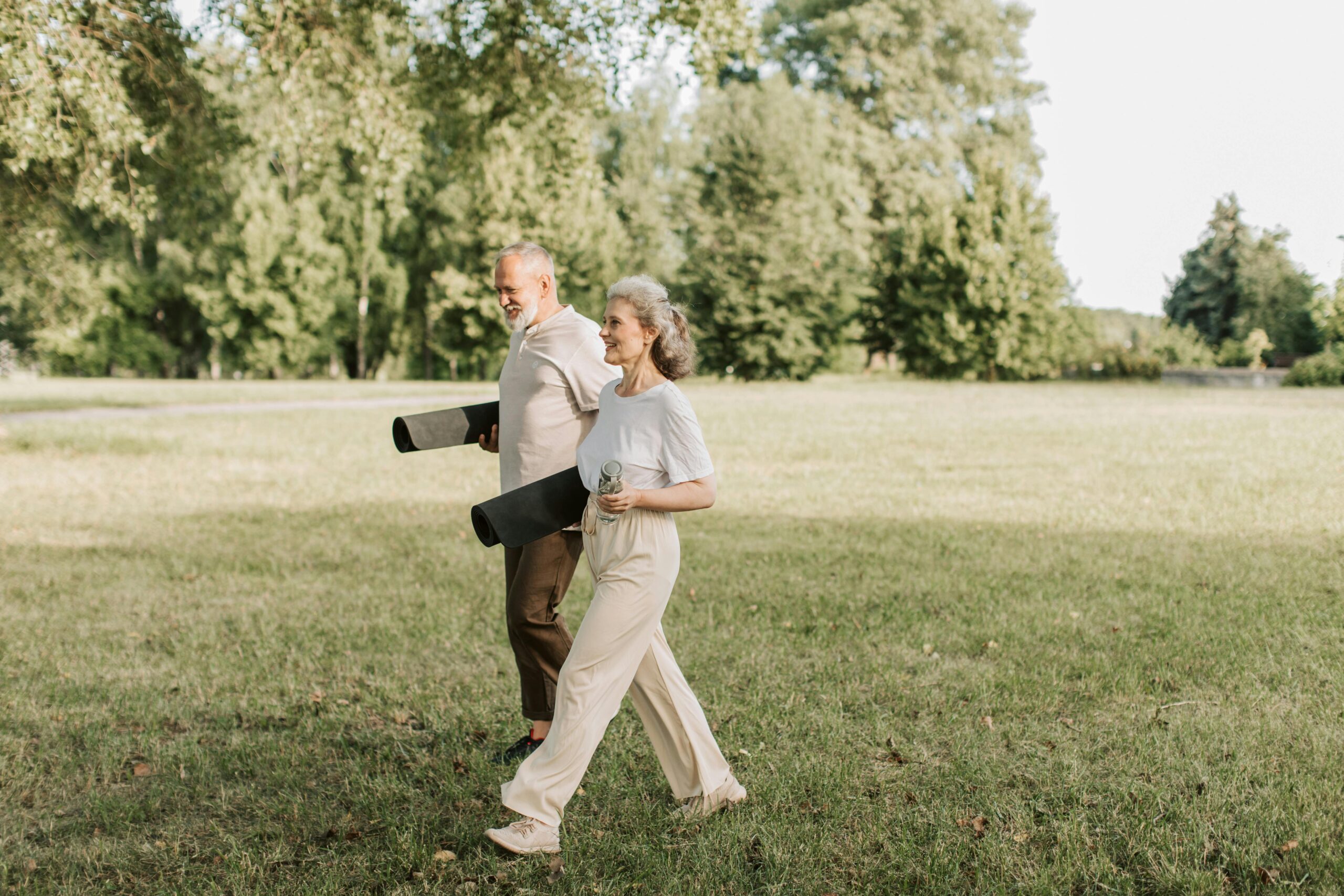
⚡ Taking Action: Your Movement Revolution Starts Now
Understanding movement quality principles means little without implementation. Begin with honest assessment of your current patterns—video yourself walking and jogging, or use available technology to gather baseline data. Identify one or two priority areas for improvement rather than attempting comprehensive overhaul simultaneously.
Schedule dedicated technique sessions into your weekly routine, treating them with the same importance as traditional workouts. Patience proves essential—meaningful biomechanical changes require weeks or months of consistent practice. Celebrate small victories along the way, recognizing that incremental improvements compound into significant long-term gains.
Connect with others pursuing similar goals, whether through local walking or running groups, online communities, or coached programs. Shared experiences provide motivation, accountability, and practical insights. Movement quality optimization is both art and science, benefiting from diverse perspectives and collaborative learning.
Your peak performance awaits discovery through revolutionized movement quality. The tools, knowledge, and support systems now exist to unlock capabilities you may not realize you possess. Every step forward—literally and figuratively—brings you closer to moving with efficiency, grace, and power. The revolution in movement analysis isn’t coming; it’s here, accessible, and ready to transform your walking and jogging experience forever.