
Feeling constantly drained, struggling with restless nights, and experiencing unexplained mood swings? You’re not alone. Modern life demands peak performance while our bodies silently cry for help.

The revolutionary world of health tracking technology has transformed how we understand our bodies’ internal rhythms. Today’s innovative trackers go beyond simple step counting, offering deep insights into fatigue levels, sleep architecture, and hormonal fluctuations that dramatically impact our daily energy. These sophisticated tools empower us to make data-driven decisions about our wellness, unlocking vitality we never knew we possessed.
🔋 Understanding the Energy Crisis in Modern Life
Our ancestors lived in harmony with natural circadian rhythms, but contemporary lifestyles have disrupted these ancient patterns. Artificial lighting, irregular work schedules, processed foods, and constant digital stimulation create a perfect storm for energy depletion. The consequence? Millions struggle daily with chronic fatigue, poor sleep quality, and hormonal imbalances that seem impossible to resolve.
Traditional medicine often treats these symptoms in isolation, prescribing sleep aids or stimulants without addressing root causes. However, emerging research reveals these issues are interconnected through complex biological feedback loops. Your fatigue might stem from poor sleep, which could be caused by cortisol dysregulation, which itself might result from circadian misalignment.
This is where revolutionary tracking technology becomes transformative. By monitoring multiple biomarkers simultaneously, these devices reveal patterns invisible to conventional observation. They transform abstract feelings of tiredness into quantifiable data, enabling personalized interventions that actually work.
💤 The Science Behind Sleep Pattern Tracking
Quality sleep remains one of the most critical factors for energy restoration, yet most people have no idea how well they actually sleep. Modern sleep trackers utilize advanced sensors and algorithms to analyze sleep stages, providing unprecedented insights into your nocturnal recovery process.
These devices typically monitor several key parameters throughout the night. Heart rate variability reveals your nervous system’s stress levels and recovery capacity. Movement sensors detect position changes and restlessness, while some advanced models even measure blood oxygen saturation and respiratory patterns. Together, these metrics paint a comprehensive picture of sleep quality.
The Four Pillars of Sleep Architecture
Understanding your sleep cycles requires knowledge of sleep stages. Each night, your brain cycles through distinct phases, each serving specific restorative functions:
- Light Sleep (Stage 1 & 2): The transition phase where your body begins relaxation and temperature drops
- Deep Sleep (Stage 3): Critical for physical restoration, immune function, and memory consolidation
- REM Sleep: Essential for emotional processing, creativity, and cognitive function
- Wake Episodes: Brief awakenings that are normal but should be minimal
Revolutionary trackers now identify exactly how much time you spend in each stage, revealing deficiencies that explain daytime fatigue. Perhaps you’re getting eight hours in bed but only 45 minutes of deep sleep—insufficient for proper recovery.
📊 Hormonal Balance: The Missing Piece of the Energy Puzzle
Hormones orchestrate virtually every aspect of energy production and regulation in your body. Cortisol, thyroid hormones, insulin, melatonin, testosterone, estrogen, and progesterone all play crucial roles in how energized you feel throughout the day.
Traditional hormonal testing requires blood draws and provides only snapshots of fluctuating systems. Innovative wearable trackers now offer continuous monitoring capabilities that capture hormonal patterns over time, revealing trends that single tests miss entirely.
For women, tracking hormonal cycles proves especially valuable. Energy levels, sleep quality, and mood naturally fluctuate throughout the menstrual cycle. Understanding these patterns allows for strategic planning—scheduling demanding tasks during high-energy phases and prioritizing rest during low-energy windows.
Key Hormonal Markers for Energy Management
Advanced trackers focus on several hormonal indicators that directly impact energy levels:
- Cortisol Rhythm: Should peak in morning and decline toward evening; reversed patterns indicate stress dysregulation
- Melatonin Production: The sleep hormone that should rise as darkness falls
- Thyroid Function Indicators: Body temperature patterns reveal metabolic efficiency
- Blood Glucose Patterns: Stability indicates insulin sensitivity and energy steadiness
- Reproductive Hormones: Tracked through temperature, heart rate, and other proxy measurements
🎯 Top Revolutionary Trackers Transforming Energy Management
The market offers numerous tracking solutions, each with unique strengths. Choosing the right device depends on your specific needs, budget, and which metrics matter most for your energy optimization journey.
Comprehensive Wearable Solutions
Devices like the Oura Ring have revolutionized sleep and recovery tracking with their discreet, comfortable design. Unlike bulky wrist wearables, this ring-shaped tracker monitors body temperature, heart rate variability, respiratory rate, and movement patterns throughout the night. Its readiness score integrates multiple metrics to tell you how prepared your body is for the day ahead.
The WHOOP strap takes a different approach, focusing intensely on recovery and strain. By measuring heart rate variability around the clock, it calculates precise recovery percentages and recommends optimal sleep needs based on your recent physical and mental demands. Athletes and high-performers particularly value its detailed strain analysis.
Fitbit and Garmin continue evolving their platforms with increasingly sophisticated sleep stage tracking, stress monitoring, and energy management features. Their extensive user bases benefit from refined algorithms trained on millions of nights of sleep data.
Specialized Fatigue Tracking Applications
Beyond wearables, smartphone applications offer powerful fatigue tracking capabilities without additional hardware. These apps use questionnaires, activity patterns, and phone sensor data to assess energy levels throughout the day.
The Visible app specifically targets people with chronic fatigue conditions, using pacing algorithms to prevent energy crashes. It calculates your available energy budget based on symptoms and activities, helping you distribute efforts sustainably throughout the day.
Hormonal Cycle Tracking Innovation
For those seeking hormonal balance insights, specialized cycle tracking apps have evolved far beyond simple period calendars. Natural Cycles combines basal body temperature measurements with advanced algorithms to map hormonal phases with remarkable accuracy.
Tempdrop offers a wearable armband specifically designed for continuous overnight temperature monitoring, eliminating the inconvenience of morning temperature taking while providing more accurate data on hormonal shifts.
⚡ Turning Data Into Energy: Actionable Strategies
Collecting data serves no purpose without action. The true power of revolutionary trackers emerges when you translate insights into lifestyle modifications that restore energy and vitality.
Optimizing Your Sleep Environment
Your tracker might reveal you’re experiencing frequent wake episodes or insufficient deep sleep. Common environmental factors disrupt sleep architecture:
- Temperature: Optimal bedroom temperature ranges between 60-67°F (15-19°C)
- Light Exposure: Even small amounts of light suppress melatonin production
- Noise Levels: Consistent low-level sounds often work better than complete silence
- Mattress and Pillow Quality: Physical discomfort fragments sleep cycles
Track changes systematically. Adjust one variable at a time, monitoring how your sleep metrics respond over several nights. This methodical approach identifies what truly makes a difference versus popular myths that don’t work for your unique physiology.
Strategic Timing for Peak Performance
Once you understand your natural energy patterns, schedule your day accordingly. Your tracker might show you have peak cognitive performance 2-4 hours after waking, a post-lunch dip around 2 PM, and a secondary peak in early evening.
Align demanding mental work with natural energy peaks. Schedule routine administrative tasks during predictable slumps. Plan exercise when your body temperature and alertness naturally rise, typically late afternoon for most people.
Hormonal Harmony Through Lifestyle
When tracking reveals hormonal imbalances, several evidence-based interventions can restore equilibrium:
- Light Exposure Timing: Bright light within an hour of waking synchronizes circadian rhythms
- Meal Timing: Consistent eating windows support metabolic hormone regulation
- Stress Management: Daily practices that lower cortisol prevent hormonal cascade disruption
- Exercise Intensity Matching: Align workout intensity with your recovery status
🔬 The Future of Energy Tracking Technology
Current tracking capabilities represent just the beginning. Emerging technologies promise even more sophisticated insights into our energy systems.
Continuous glucose monitors, originally designed for diabetics, are increasingly used by health optimizers seeking metabolic insights. These devices reveal exactly how different foods, stress, and sleep affect your blood sugar stability—a critical factor in sustained energy levels.
Breath analysis devices can now detect ketone levels, cortisol, and other biomarkers in exhaled air. This non-invasive approach may soon provide real-time hormonal feedback without blood tests or wearables.
Artificial intelligence integration represents perhaps the most exciting frontier. Machine learning algorithms can identify subtle pattern changes that predict energy crashes days before they occur, enabling proactive interventions rather than reactive responses.
🎓 Interpreting Your Data: Avoiding Common Pitfalls
With powerful tracking tools comes the risk of misinterpretation and obsession. Several pitfalls commonly trap enthusiastic trackers:
Over-optimization can create anxiety that itself disrupts sleep and energy. If checking your sleep score causes stress about “poor” nights, the tracking becomes counterproductive. Remember these devices provide guidance, not gospel. Occasional variations are completely normal.
Confirmation bias leads people to notice only data that confirms existing beliefs while ignoring contradictory evidence. Approach your tracking with scientific curiosity rather than predetermined conclusions.
Individual variation means optimal ranges differ between people. Your best sleep might occur with parameters outside “normal” ranges. Trust trends in how you actually feel alongside the numbers.
Building Your Personal Energy Profile
Effective tracking requires baseline establishment. Track consistently for at least 2-4 weeks before making major changes. This baseline reveals your normal patterns and natural variability.
Create a simple tracking journal that combines device data with subjective observations. Note energy levels, mood, productivity, and any unusual circumstances. Patterns emerge when you correlate objective metrics with lived experience.
| Morning Metrics | What They Reveal | Action If Low |
|---|---|---|
| HRV Score | Nervous system recovery | Prioritize rest, reduce intensity |
| Sleep Duration | Opportunity for recovery | Earlier bedtime, assess sleep efficiency |
| Deep Sleep % | Physical restoration quality | Review temperature, alcohol, late meals |
| Resting Heart Rate | Overall recovery status | Check for illness, overtraining, stress |
🌟 Real Results: Transformation Through Tracking
The proof of tracking technology lies in transformed lives. Countless individuals have reclaimed their energy by identifying and addressing root causes revealed through consistent monitoring.
One common discovery involves sleep apnea—interrupted breathing during sleep that fragments rest and depletes energy. Many people discover this condition only after trackers reveal abnormally low blood oxygen levels or unusual heart rate patterns during sleep. Proper treatment often produces dramatic energy improvements.
Others identify food sensitivities affecting their energy. Continuous glucose monitoring reveals blood sugar spikes and crashes following certain meals, explaining post-lunch fatigue that seemed mysterious for years.
Women tracking hormonal patterns frequently discover their “unexplained” fatigue, irritability, and brain fog follow predictable cycles. This knowledge alone reduces anxiety while enabling strategic planning around hormonal phases.
🚀 Your Energy Revolution Starts Now
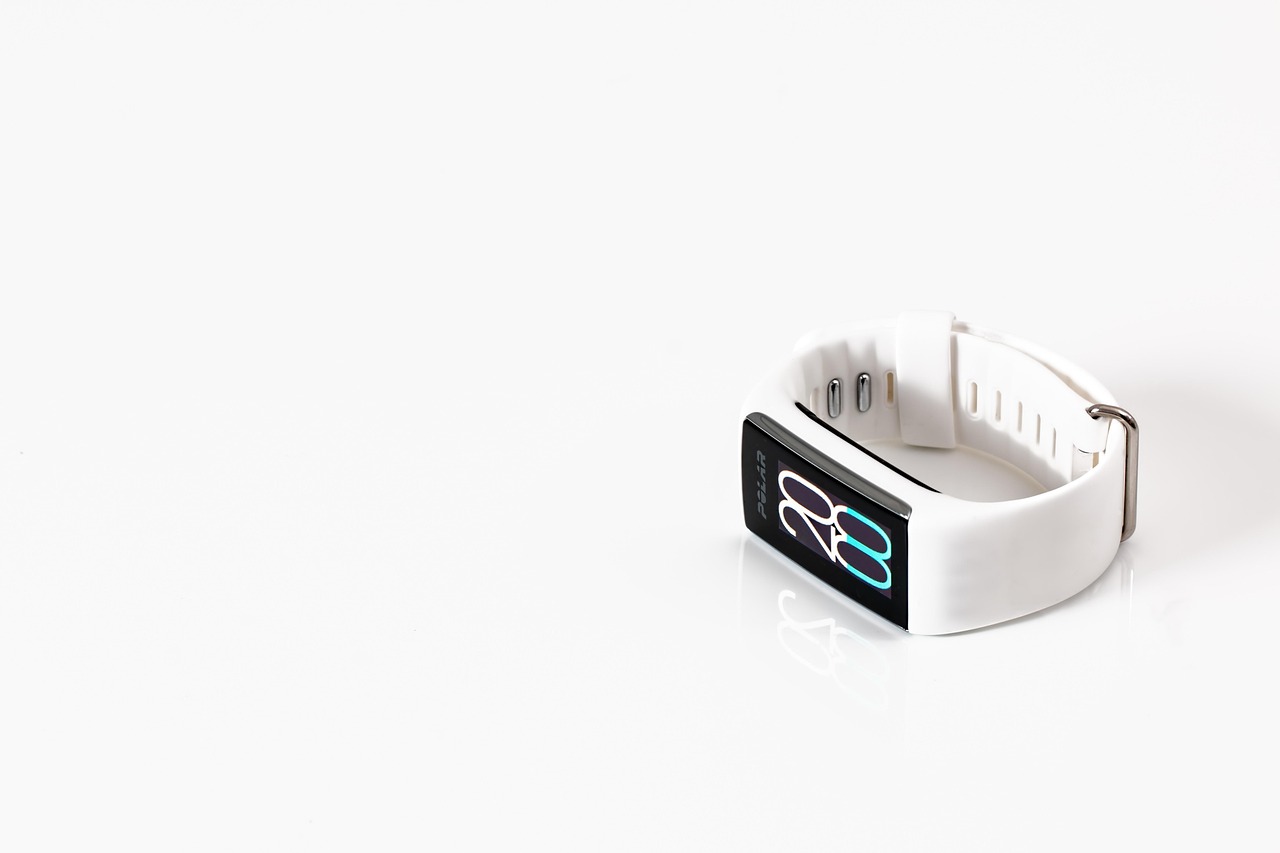
Revolutionary tracking technology has democratized access to insights previously available only through expensive medical testing and specialist consultations. These tools empower you to become an expert in your own physiology, making informed decisions that genuinely improve energy, sleep quality, and hormonal balance.
The journey begins with choosing appropriate tracking tools for your needs and budget. Start simple—even basic sleep tracking provides valuable insights. As you become comfortable interpreting data and implementing changes, you can expand to more sophisticated metrics.
Remember that tracking serves discovery, not judgment. Some nights will show poor sleep. Some days will reveal hormonal fluctuations. These variations are normal, human, and expected. The power lies in identifying patterns over time and understanding what factors you can control.
Your energy potential remains waiting to be unlocked. Armed with revolutionary tracking technology and evidence-based optimization strategies, you possess everything needed to break free from chronic fatigue, achieve restorative sleep, and establish hormonal harmony. The data-driven path to vibrant, sustainable energy begins with a single tracked night—why not start tonight?