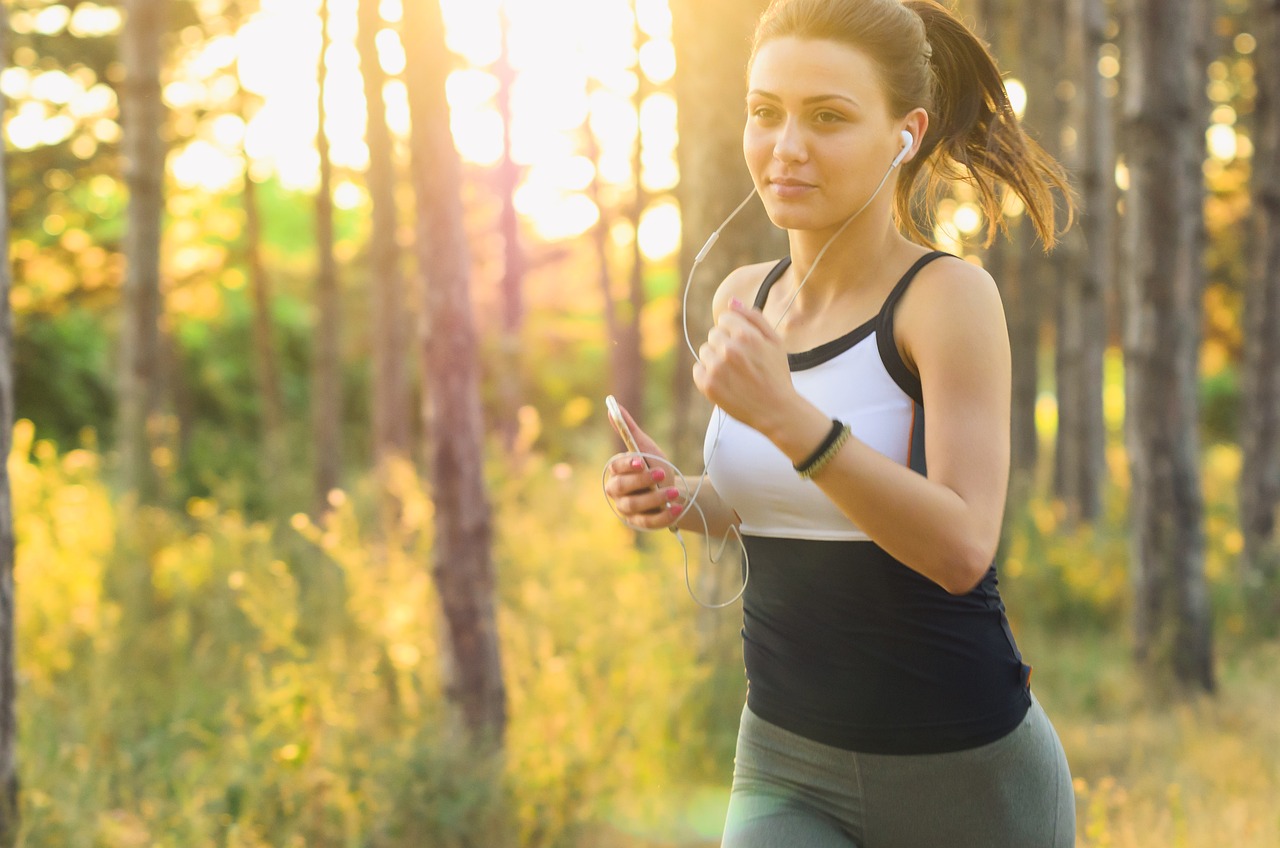
Returning to physical activity after childbirth is a journey that requires careful planning, patience, and proper guidance. Every postpartum athlete deserves a safe, empowering pathway back to the sports and movements they love.

The transition from pregnancy through postpartum recovery represents one of the most significant physical transformations an athlete’s body will experience. Understanding how to navigate this period with strength and confidence makes all the difference between a successful return and potential setbacks that could affect long-term athletic performance.
🤰 Understanding the Postpartum Body: What Really Changes
Pregnancy and childbirth create profound changes throughout your entire system—not just your belly. Your musculoskeletal system, cardiovascular capacity, hormonal balance, and connective tissues all undergo significant transformation that extends well beyond delivery day.
During pregnancy, the hormone relaxin increases up to ten times normal levels, softening ligaments and joints to accommodate your growing baby and prepare for birth. This hormone can remain elevated for up to five months postpartum, especially if you’re breastfeeding, leaving your joints more vulnerable to injury during exercise.
Your abdominal wall has stretched considerably, and the linea alba—the connective tissue running down the center of your abdomen—may have separated, creating diastasis recti. Studies show that approximately 60% of women experience some degree of diastasis recti immediately postpartum, though many cases resolve naturally with appropriate rehabilitation.
The pelvic floor has been under significant pressure for months and may have sustained trauma during delivery, whether vaginal or cesarean. These muscles support your bladder, bowel, and uterus, and play crucial roles in core stability, sexual function, and controlling intra-abdominal pressure during athletic movements.
The Critical First Six Weeks: Foundation Building Phase
The immediate postpartum period demands respect and patience. Your uterus needs time to involute back to normal size, your abdominal muscles must begin reconnecting, and any tears or surgical incisions require proper healing before introducing significant physical stress.
During these first weeks, focus on gentle movements that promote circulation, prevent blood clots, and support mental health without compromising recovery. Walking remains the gold standard—start with short distances around your home, gradually increasing as you feel stronger.
Breathing exercises form the cornerstone of early postpartum recovery. Diaphragmatic breathing helps restore the coordination between your diaphragm, pelvic floor, and deep core muscles, establishing the foundation for all future athletic movements.
Early Movement Guidelines ✨
- Begin with 5-10 minute walks, multiple times daily if comfortable
- Practice deep breathing exercises: inhale allowing your belly and ribcage to expand, exhale with gentle pelvic floor engagement
- Perform gentle pelvic tilts while lying down to reestablish mind-muscle connection
- Avoid lifting anything heavier than your baby
- Listen to your body—increased bleeding, pain, or heaviness signals you need more rest
Getting Professional Clearance: Beyond the Six-Week Checkup
The traditional six-week medical clearance often provides permission to “resume normal activities,” but this generic guidance fails to address the specific needs of athletes planning to return to high-impact sports. This appointment typically focuses on ensuring your uterus has returned to normal size and any incisions have healed—it’s not a comprehensive assessment of your readiness for athletic training.
Postpartum athletes benefit enormously from working with pelvic floor physical therapists who specialize in return-to-sport protocols. These specialists can assess diastasis recti, pelvic floor strength and coordination, breathing patterns, and functional movement quality to create individualized progression plans.
A comprehensive postpartum athletic assessment should evaluate your ability to manage intra-abdominal pressure during various activities, check for signs of pelvic organ prolapse, assess your hip and core strength symmetry, and identify any compensatory movement patterns you may have developed.
🏋️ Rebuilding Your Foundation: The Core and Pelvic Floor Connection
Your core system functions as an integrated unit—the diaphragm on top, pelvic floor on the bottom, transverse abdominis wrapping around the sides, and multifidus supporting your spine from behind. Pregnancy disrupts this coordination, and rebuilding it requires intentional, progressive training.
Many postpartum athletes make the mistake of jumping straight into intense abdominal exercises like crunches or planks before their core system has been properly restored. This can worsen diastasis recti, increase pelvic floor dysfunction, and create unhealthy compensation patterns.
Core Restoration Progression
Start with connection exercises that help you feel and activate your deep core muscles without creating excessive intra-abdominal pressure. Dead bugs, bird dogs, and modified side planks allow you to build strength while maintaining good pressure management.
As your connection improves, progress to anti-movement exercises that challenge your core to resist motion rather than create it. Pallof presses, suitcase carries, and farmer’s walks develop the functional stability essential for athletic performance.
Only after establishing solid foundational strength should you progress to dynamic, power-based core training. This might be 3-6 months postpartum or longer, depending on your individual recovery and the demands of your sport.
Managing Intra-Abdominal Pressure: The Key to Safe Progression
Understanding and managing intra-abdominal pressure represents perhaps the most important concept for postpartum athletes to master. When you exercise, especially during activities like running, jumping, or lifting, pressure increases inside your abdominal cavity.
A healthy core and pelvic floor system can manage this pressure efficiently, distributing forces appropriately. But when these systems are compromised postpartum, excessive pressure can push down on your pelvic floor, potentially causing or worsening prolapse, incontinence, or diastasis recti.
Signs that you’re not managing pressure well include leaking urine during exercise, visible doming or coning along your midline during abdominal exercises, feeling heaviness or bulging in your vaginal area, or lower back pain during or after workouts.
Pressure Management Strategies 💪
- Exhale during the exertion phase of exercises rather than holding your breath
- Avoid bearing down or breath-holding during lifts
- Modify exercises that cause doming, coning, or leaking
- Build intensity gradually, allowing your system to adapt
- Practice 360-degree breathing to improve pressure distribution
Return to Running: Patience Pays Dividends
Running generates impact forces of 2-3 times your body weight with every foot strike, making it one of the most demanding activities for your postpartum body. Rushing back to running before you’re ready commonly leads to pelvic floor dysfunction, injury, and frustration.
Research suggests waiting at least 12 weeks postpartum before attempting to run, and many pelvic floor specialists recommend 16 weeks or longer, especially after complicated deliveries or cesarean sections. This timeline might feel frustratingly long for competitive runners, but the investment in proper preparation dramatically reduces injury risk.
Before returning to running, you should be able to walk for 30 minutes without pain or heaviness, perform single-leg exercises with good control, complete at least 20 single-leg calf raises on each side, hold a single-leg stance for 10 seconds without wobbling, and demonstrate no symptoms of pelvic floor dysfunction during daily activities.
Running Return Protocol
Begin with a walk-run progression, alternating short running intervals with walking recovery. Your first session might include just 1 minute of running followed by 4 minutes of walking, repeated for 20-30 minutes total.
Progress the duration of running intervals while decreasing walking time, but only increase your total volume by about 10% per week. Pay attention to how your body responds in the 24-48 hours after each run—increased symptoms signal the need to scale back.
Incorporate strength training specifically targeting running demands: hip strength, calf strength, single-leg stability, and plyometric progression once you’ve built adequate base strength. This supporting work prevents the compensation patterns that lead to common running injuries.
🤸 High-Impact Sports and Jumping: Building Resilience
Activities involving jumping—including basketball, volleyball, CrossFit, dance, and many other sports—place enormous demands on your pelvic floor and core system. The deceleration forces when landing from jumps can exceed 5-6 times your body weight.
Before returning to jumping activities, establish a solid foundation through plyometric progression. Start with double-leg mini bounces, progress to small jumps, then add height, and finally transition to single-leg variations.
Each progression stage should demonstrate three key qualities: you can perform the movement without any leaking, doming, or heaviness; you maintain good landing mechanics with soft knees and controlled trunk position; and you experience no pain during or after the activity.
Strength Training Modifications and Progressions
Strength training offers tremendous benefits for postpartum recovery when approached intelligently. Building strength improves bone density, supports metabolic health, enhances mood, and develops the physical capacity needed for the demands of motherhood and athletics.
Early postpartum strength training should emphasize bodyweight exercises, resistance bands, and light weights with higher repetitions. Focus on perfect form and pressure management rather than pushing intensity limits.
Exercises to approach cautiously or modify include heavy overhead pressing, which can create significant downward pressure on your pelvic floor, traditional sit-ups or crunches until diastasis recti has resolved, heavy barbell squats or deadlifts until you’ve rebuilt foundational strength, and any movements that cause symptoms like leaking or doming.
Smart Exercise Substitutions
| Instead of This | Try This |
|---|---|
| Traditional crunches | Dead bugs, bird dogs, pallof presses |
| Heavy barbell squats | Goblet squats, split squats, step-ups |
| Strict pull-ups initially | Ring rows, band-assisted variations |
| Box jumps | Box step-ups, mini bounces, progressive plyometrics |
Nutrition and Fueling Your Athletic Recovery
Postpartum nutrition plays a crucial role in tissue healing, energy levels, and athletic performance. Your body requires adequate calories and nutrients to recover from pregnancy and childbirth, produce breast milk if nursing, and fuel your return to training.
Many postpartum athletes undereat in attempts to lose pregnancy weight quickly, but this approach compromises recovery, reduces energy, increases injury risk, and can negatively impact milk supply. Focus instead on nutrient-dense whole foods that support healing and performance.
Protein needs increase postpartum, with recommendations around 1.2-1.6 grams per kilogram body weight, higher if breastfeeding. Adequate protein supports tissue repair, maintains muscle mass, and promotes satiety.
Don’t fear carbohydrates—they fuel your training and support recovery. Complex carbohydrates provide sustained energy and help replenish glycogen stores depleted during workouts. Healthy fats support hormone production, reduce inflammation, and aid absorption of fat-soluble vitamins.
😴 Sleep, Stress, and Recovery: The Hidden Performance Factors
Sleep deprivation represents one of the biggest challenges facing postpartum athletes. Chronic sleep restriction impairs recovery, increases injury risk, reduces cognitive function, and makes every workout feel harder than it should.
While you can’t control your newborn’s sleep schedule, you can optimize your recovery through strategic rest, stress management, and realistic training expectations. Some days, the most athletic thing you can do is take a nap instead of forcing a workout.
Your nervous system needs recovery time to adapt to training stress. When you’re already dealing with the significant stress of sleep deprivation and new parenthood, your capacity to handle additional training stress is reduced. Training intensity and volume should reflect this reality.
Mental and Emotional Aspects of Return to Sport 🧠
The psychological journey of returning to athletics postpartum deserves as much attention as the physical components. Your identity as an athlete may feel challenged as you navigate the initial months of parenthood and witness your performance levels temporarily decline.
Give yourself permission to grieve your pre-pregnancy body and performance while also celebrating the incredible transformation you’ve experienced. Your body has grown and birthed a human being—this represents strength, not weakness.
Set process-oriented goals rather than outcome-focused ones during your return. Instead of fixating on hitting previous race times or lifting your old maxes, celebrate consistency, symptom-free training, and progressive improvements in capacity.
Connect with other postpartum athletes who understand the unique challenges of this phase. Community support provides practical advice, emotional encouragement, and the reassurance that you’re not alone in this journey.
Red Flags: When to Seek Professional Help
Certain symptoms should prompt immediate consultation with healthcare providers who specialize in postpartum recovery. Don’t dismiss warning signs as “just part of being postpartum” when they indicate issues requiring professional intervention.
Persistent urinary leaking during exercise or daily activities, feeling of heaviness or bulging in your vaginal area, visible or palpable gaps in your abdominal muscles beyond four months postpartum, pain during intercourse, and ongoing back or pelvic pain all warrant evaluation by a pelvic floor physical therapist.
Similarly, excessive fatigue that doesn’t improve with rest, feelings of hopelessness or inability to bond with your baby, persistent anxiety or intrusive thoughts, and loss of interest in activities you usually enjoy may indicate postpartum depression or anxiety requiring mental health support.
Creating Your Personalized Return-to-Sport Timeline ⏱️
Every postpartum athlete’s journey looks different based on pregnancy complications, delivery type, previous fitness level, sport demands, and individual recovery factors. Resist the temptation to compare your timeline to others or rush progression to meet arbitrary deadlines.
A general framework might include focusing on rest, gentle movement, and connection exercises during weeks 0-6, beginning structured core and pelvic floor rehabilitation during weeks 6-12, progressively adding low-impact strength training during weeks 12-16, and introducing running or high-impact activities after 12-16 weeks with proper preparation.
However, this represents only a basic template—your actual progression depends on how your body responds, whether you experience any complications, and guidance from your healthcare team. Some athletes progress faster; others need more time, and both paths are completely valid.
Building Long-Term Athletic Resilience Beyond Postpartum
The habits and awareness you develop during postpartum return-to-sport create foundations for lifelong athletic health. The attention you pay to core coordination, pelvic floor function, and pressure management benefits your training throughout all future life phases.
Many athletes report eventually becoming stronger and more resilient than their pre-pregnancy selves, not despite their postpartum journey but because of it. The patience, body awareness, and strategic training approach required during this phase often translate into smarter, more sustainable athletic practices.
Continue prioritizing the fundamentals even after you’ve returned to full training. Maintain regular strength work addressing your core and pelvic floor, practice good pressure management during all activities, and schedule adequate recovery between intense training sessions.
Your journey back to impact as a postpartum athlete represents an opportunity to rebuild not just your fitness but your entire relationship with movement, strength, and your incredible body. With patience, proper guidance, and respect for the profound transformation you’ve experienced, you can return to the sports you love feeling stronger, more capable, and deeply confident in your athletic identity as a mother. Remember that this process isn’t about rushing back to who you were before—it’s about honoring where you are now and building toward who you’re becoming. Every small step forward counts, every symptom-free workout matters, and every moment you invest in doing this right pays dividends in your long-term athletic health and performance. 💪✨