
Every runner faces a crucial decision before lacing up their shoes: where to run. The surface beneath your feet significantly impacts your performance, injury risk, and overall running experience.

Whether you’re training for a marathon, recovering from injury, or simply maintaining fitness, understanding the advantages and disadvantages of different running surfaces can transform your training approach. Treadmills, roads, and tracks each offer unique characteristics that can either enhance or hinder your progress depending on your goals, experience level, and physical condition.
🏃 The Treadmill Experience: Running in Controlled Conditions
Treadmills have revolutionized indoor running, offering convenience and controlled environments that appeal to millions of runners worldwide. These mechanical marvels provide consistency that outdoor surfaces simply cannot match, making them popular choices for rehabilitation, precise training protocols, and weather-proof workouts.
Advantages of Treadmill Running
The cushioned belt of a treadmill delivers consistent shock absorption with every step, reducing impact forces on your joints by approximately 10-15% compared to concrete surfaces. This forgiving surface makes treadmills particularly valuable for runners recovering from injuries or those with joint sensitivities.
Precise control over speed and incline allows runners to execute specific training protocols with remarkable accuracy. You can maintain exact paces for tempo runs, simulate hill workouts without finding suitable terrain, and gradually increase intensity without the variables that outdoor running introduces.
Climate control represents another significant advantage. Extreme heat, frigid temperatures, torrential rain, or dangerous ice conditions never interrupt your training schedule when running indoors. This consistency helps maintain training momentum throughout the year, especially in regions with harsh seasonal weather.
Safety considerations make treadmills attractive for many runners. No traffic, uneven surfaces, or poorly lit paths threaten your wellbeing. Women runners, in particular, often appreciate the security of indoor training, especially during early morning or evening hours.
Disadvantages of Treadmill Running
The monotony of treadmill running challenges even the most disciplined athletes. Staring at walls or screens while the scenery remains static can make time crawl, turning a 30-minute run into a mental endurance test. This psychological fatigue often leads to shortened workouts or decreased motivation.
Biomechanical differences between treadmill and outdoor running affect your gait patterns and muscle engagement. The moving belt slightly assists leg turnover, potentially reducing the work required from hip flexors and glutes. This assistance, while subtle, can lead to performance gaps when transitioning to outdoor running.
The absence of wind resistance and terrain variation means treadmill running doesn’t fully replicate outdoor conditions. Even setting the incline to 1-2% doesn’t completely compensate for the energy expenditure required when running outdoors against air resistance and over varied terrain.
Cost and space requirements present practical barriers. Quality treadmills represent significant investments, often ranging from $1,000 to $4,000, and require dedicated space in your home. Gym memberships provide access but add recurring expenses and schedule constraints.
🛣️ Road Running: The Traditional Training Ground
Roads remain the most common running surface, offering accessibility and variety that draws runners out their doors daily. From quiet residential streets to busy urban thoroughfares, road running connects you with your environment while providing the freedom to explore new routes constantly.
Benefits of Pounding the Pavement
Accessibility stands as the primary advantage of road running. Step outside your door, and your running route begins immediately. No equipment purchases, gym memberships, or travel to specific facilities required—just you, your shoes, and the open road.
Mental health benefits flourish during road runs. Exposure to natural light, changing scenery, and fresh air combat stress and improve mood more effectively than indoor exercise. The psychological rewards of exploring new neighborhoods or watching seasons change add dimensions that treadmills cannot replicate.
Natural terrain variation strengthens stabilizer muscles and improves proprioception. Subtle elevation changes, slight curves, and varying surface textures engage muscles throughout your kinetic chain, building functional strength that translates to better overall running economy.
Race specificity makes road running essential for runners training for road races. Your body adapts to the specific demands of the surface you’ll race on, making road training crucial for marathon, half-marathon, and 10K preparation.
Social opportunities abound on roads. Running clubs, training groups, and impromptu conversations with fellow runners create community connections that enrich your running experience beyond physical benefits.
Drawbacks of Road Running
Impact forces on asphalt and concrete create the highest shock loads among common running surfaces. Repeated pounding can contribute to overuse injuries, particularly shin splints, stress fractures, and knee problems, especially for heavier runners or those with biomechanical inefficiencies.
Safety concerns require constant vigilance. Distracted drivers, cyclists, pedestrians, and pets demand attention that detracts from focusing on your run. Poor lighting conditions, uneven sidewalks, and traffic intersections introduce risks absent from controlled environments.
Weather dependence affects consistency. Extreme temperatures, precipitation, high winds, or poor air quality can derail training plans or force uncomfortable workout conditions. Seasonal darkness limits safe running hours without proper lighting and reflective gear.
Surface camber—the slight slope built into roads for drainage—creates leg length discrepancies with prolonged running on the same side of the road. This asymmetry can contribute to IT band syndrome, hip problems, and other overuse injuries if not addressed through route variation.
🏃♂️ Track Running: The Precision Training Tool
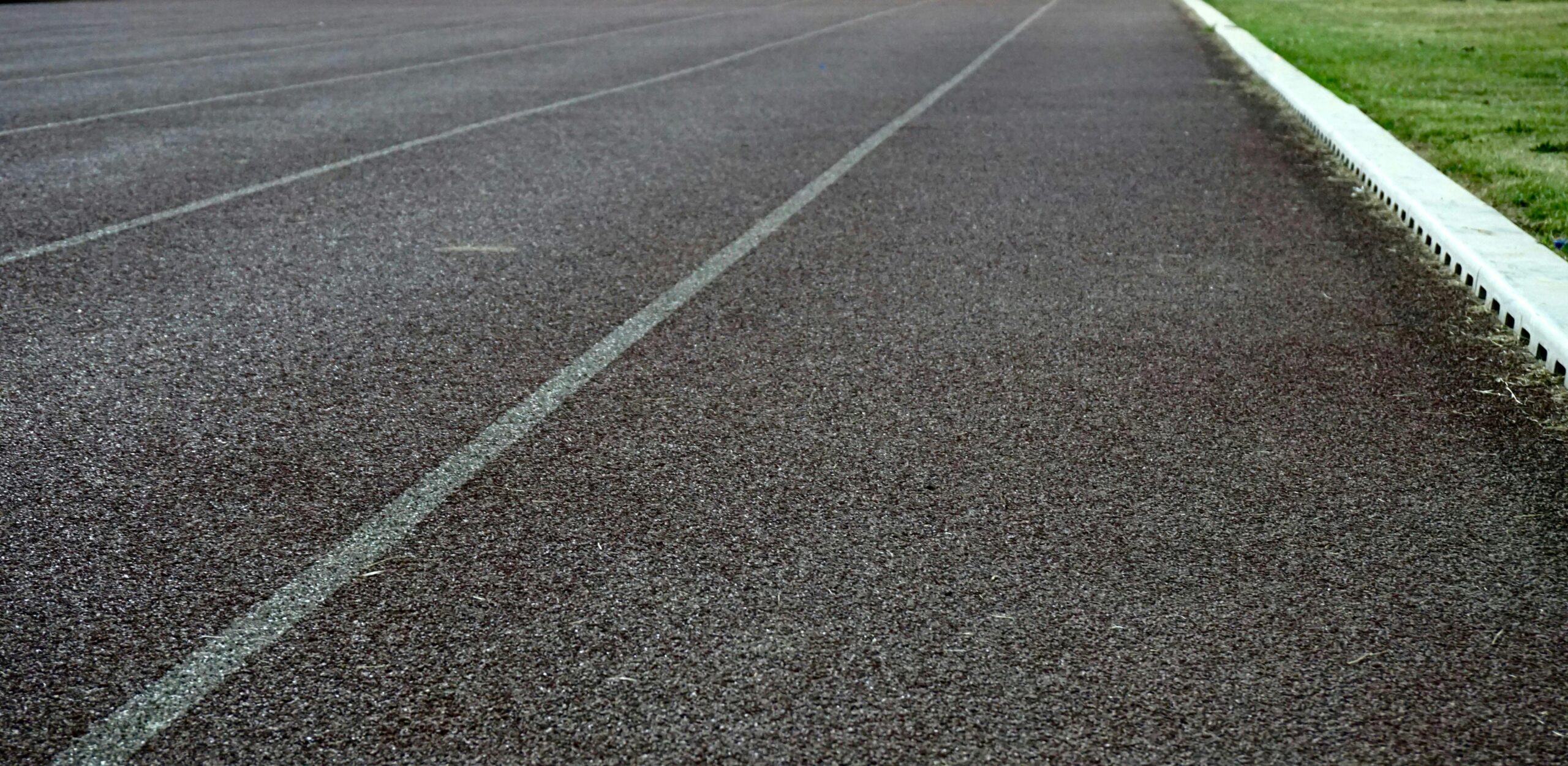
Athletic tracks offer measured precision and consistent surfaces that serious runners value for specific workout types. These oval facilities provide exact distances, flat terrain, and softer surfaces that make them ideal for speed work, time trials, and interval training.
Track Running Advantages
Precise distance measurement eliminates guesswork from interval training and speed work. Standard 400-meter tracks allow exact repetition distances, making it simple to execute workouts like 800-meter repeats or 200-meter intervals with perfect accuracy.
The synthetic surface of modern tracks provides cushioning superior to roads while maintaining responsiveness that promotes faster running. This balance reduces injury risk during high-intensity workouts while allowing proper mechanics at speed.
Flat, consistent terrain ensures every lap presents identical conditions. No hills, turns (beyond the track’s curves), or surface changes introduce variables, making tracks perfect for testing fitness levels and tracking progress through time trials.
Community atmosphere at tracks creates motivating environments. Watching other runners tackle hard workouts, sharing the space with athletes of varying abilities, and accessing facilities like bathrooms and water fountains enhance the training experience.
Safety from vehicles and clear sight lines provide peace of mind during intense efforts when maintaining awareness of surroundings becomes difficult. Parents can watch children at nearby playgrounds while completing workouts, and runners can focus entirely on their effort.
Track Running Limitations
Repetitive turning stresses the same muscles and joints continuously. Running counterclockwise around tight curves (particularly on 200-meter indoor tracks) places asymmetric loads on ankles, knees, and hips, potentially causing injuries with excessive track mileage.
Monotony rivals or exceeds treadmill running. Circling the same oval repeatedly provides even less visual stimulation than indoor running, making long runs psychologically challenging. Most runners find track workouts best limited to speed sessions and specific training protocols.
Limited accessibility restricts many runners’ options. Not all communities have public tracks, and school facilities often limit access during academic hours or sports seasons. Private tracks require memberships, adding costs similar to gym access.
Weather exposure subjects track runners to the same climatic challenges as road running, but without the distraction of changing scenery or the ability to find shade or shelter easily. The exposed nature of most tracks intensifies sun exposure and wind effects.
Social pressure and self-consciousness affect some runners. The visibility of track running, where your pace and fitness level are evident to everyone present, intimidates beginners or those returning from injury who may feel judged during slower workouts.
🔄 Strategic Surface Selection for Different Training Goals
Understanding when to choose each surface maximizes training effectiveness while minimizing injury risk. Smart runners incorporate multiple surfaces into their training plans, selecting each based on specific workout objectives and individual circumstances.
Speed Work and Interval Training
Tracks excel for structured speed sessions requiring precise distances and times. The measured environment and consistent surface allow perfect execution of workouts like 400-meter repeats, mile repetitions, or progressive pace runs. The cushioned yet responsive surface supports fast running while protecting joints during high-intensity efforts.
Treadmills serve as acceptable alternatives when tracks aren’t accessible, particularly for tempo runs at sustained speeds. The ability to set exact paces ensures consistent effort without the mental calculations required outdoors.
Easy Runs and Recovery Sessions
Treadmill cushioning provides optimal conditions for recovery runs, especially following hard workouts or races. The reduced impact allows blood flow and muscle recovery without excessive stress. The controlled environment prevents the temptation to run faster than recovery pace demands.
Roads work well for easy runs when runners maintain discipline regarding pace. The mental benefits of outdoor running during recovery sessions can enhance overall training satisfaction without compromising physical recovery if effort remains truly easy.
Long Run Preparation
Road running should comprise the majority of long run training when preparing for road races. Surface-specific adaptation remains crucial for marathon and half-marathon success. Training on the surface you’ll race on prepares your body for race-day demands.
Treadmills can supplement long run training during extreme weather or when schedule constraints make outdoor running impractical. Setting a 1-2% incline better simulates outdoor effort levels for treadmill long runs.
Injury Prevention and Rehabilitation
Treadmills provide the safest return-to-running surface following injury. Precise control over speed, incline, and duration allows gradual progression under controlled conditions. The cushioned surface reduces re-injury risk during vulnerable healing phases.
Tracks offer moderate-impact alternatives once runners progress beyond initial rehabilitation. The softer surface compared to roads provides cushioning while reintroducing outdoor running elements.
🎯 Building a Balanced Training Approach
Elite and recreational runners alike benefit from mixing training surfaces strategically. This variety reduces overuse injury risk from repetitive stress on identical tissues, maintains mental freshness, and develops well-rounded fitness that transfers across different running conditions.
Weekly Training Surface Distribution
A balanced weekly schedule might include one track session for speed work, one treadmill session for recovery or specific pace training, and remaining runs on roads for race-specific adaptation and mental variety. This distribution provides benefits from each surface while limiting their respective drawbacks.
Adjust proportions based on training phases. Base-building periods might emphasize road running for aerobic development, while peak speed training phases increase track sessions. Injury-prone periods warrant more treadmill running to reduce impact forces.
Listening to Your Body
Individual response to different surfaces varies significantly. Some runners tolerate roads well while others develop persistent injuries from excessive pavement pounding. Pay attention to your body’s feedback and adjust surface selection accordingly.
Age, weight, running history, and biomechanical factors influence optimal surface choices. Heavier runners often benefit from increased treadmill training to reduce joint stress, while lighter runners may tolerate roads better. Previous injury patterns should guide surface selection to avoid recurring problems.
📱 Technology Integration for Surface-Specific Training
Modern running apps and GPS watches help optimize training across different surfaces by tracking performance metrics specific to each environment. These tools provide insights that improve training decisions and prevent the common mistake of comparing performances across incompatible conditions.
Strava, perhaps the most popular social running platform, allows runners to log workouts with surface-specific tags, compare efforts across similar conditions, and connect with communities focused on particular training approaches. The app segments popular routes and provides performance analysis that helps runners understand how different surfaces affect their pacing and effort.
TrainingPeaks offers advanced planning tools that help coaches and self-coached athletes schedule surface-specific workouts within periodized training plans. The platform’s workout builder allows designation of track sessions, treadmill runs, and road workouts with appropriate pacing adjustments for each environment.
💪 Adapting to Your Running Environment and Goals
Your geographical location, available facilities, training objectives, and personal preferences ultimately determine your optimal surface mix. Urban runners in apartment buildings may rely heavily on treadmills due to safety concerns and time constraints. Suburban runners often have safe road networks that support outdoor training year-round. Access to quality tracks varies widely based on community resources.
Race goals should heavily influence surface selection. Marathon training demands substantial road running to prepare for race-day conditions. Track racing requires obvious track training emphasis. Treadmill races (yes, they exist!) necessitate treadmill-specific preparation.
Personal enjoyment matters more than many runners acknowledge. The “best” surface is ultimately the one you’ll use consistently. If treadmills bore you to tears, you’ll struggle with consistency no matter their technical advantages. If road traffic creates anxiety that diminishes your running enjoyment, indoor alternatives make sense despite their limitations.
🌟 Finding Your Perfect Running Surface Balance
Mastering your run means understanding that no single surface provides all benefits without tradeoffs. Treadmills offer control and cushioning but lack mental stimulation and outdoor benefits. Roads provide accessibility and race specificity but deliver harder impacts and weather challenges. Tracks enable precision training but introduce repetitive stress and monotony concerns.
Successful runners embrace surface variety, selecting each option strategically based on workout goals, weather conditions, injury status, and training phase. They recognize that adaptation to multiple surfaces builds resilience and versatility that single-surface training cannot match.
Start by honestly assessing your current surface usage. Are you exclusively using one type? Consider gradually introducing variety through one different surface session weekly. Monitor how your body responds to changes, adjusting based on energy levels, injury indicators, and performance trends.
Remember that running surface selection represents just one training variable among many. Proper volume progression, adequate recovery, appropriate intensity distribution, and consistent strength training matter more than achieving perfect surface balance. Use surface variety as a tool to enhance training, not as another source of overthinking or analysis paralysis.
The path to running mastery includes learning when to choose the cushioned consistency of treadmills, when to embrace the varied challenges of roads, and when to leverage the precision of tracks. Your ideal approach evolves with experience, changing goals, and life circumstances. Stay curious, remain flexible, and keep running—whatever the surface beneath your feet. 🏃♀️