
Finding the perfect pair of shoes isn’t just about style—it’s about understanding how fit, drop, and cushioning work together to support your unique needs. Whether you’re a seasoned runner, a casual walker, or someone who spends long hours on their feet, making informed footwear choices can dramatically improve your comfort and performance.

The science behind comfortable footwear has evolved tremendously over the past decade, giving consumers more options than ever before. Yet with this abundance of choices comes confusion about which features truly matter for your specific activities and foot type.
🔍 Understanding the Foundation: What Makes Footwear Comfortable?
Comfort in footwear is a complex equation involving multiple factors that work synergistically. The three pillars—fit, drop, and cushioning—form the foundation of any quality shoe, but their importance varies depending on your intended use, biomechanics, and personal preferences.
When these elements align correctly, your shoes become an extension of your body rather than a source of discomfort. Conversely, when even one element is off, you might experience blisters, joint pain, fatigue, or more serious injuries over time.
📏 Decoding the Perfect Fit: More Than Just Size
Proper fit extends far beyond simply knowing your shoe size. In fact, shoe sizes can vary significantly between brands, styles, and even different models from the same manufacturer. Understanding the nuances of fit can prevent countless problems down the road.
Length and Width: The Basic Dimensions
Your foot should have approximately a thumb’s width of space between your longest toe and the end of the shoe. This space allows for natural foot expansion during activity and prevents jamming during downhill movement. Many people mistakenly buy shoes that are too short, leading to black toenails, blisters, and discomfort.
Width is equally critical yet often overlooked. Feet come in various widths, from narrow to extra wide, and wearing shoes that are too narrow can cause bunions, hammertoes, and nerve compression. Conversely, shoes that are too wide can lead to instability and friction-related injuries.
Volume and Instep Height
The volume of your foot—essentially how much three-dimensional space it occupies—affects how a shoe’s upper conforms to your foot. Some people have high-volume feet with prominent insteps, while others have low-volume feet that sit flatter inside the shoe.
A proper volumetric fit ensures that your heel doesn’t slip during movement and that you don’t experience pressure points across the top of your foot. Many quality shoes offer different lacing techniques to accommodate various foot volumes.
Toe Box Shape and Space
The toe box design significantly impacts comfort, especially during extended wear. Your toes should be able to spread naturally without restriction, as this promotes balance and allows your feet to function as nature intended.
Traditional athletic shoes often feature tapered toe boxes that squeeze toes together, while modern designs increasingly offer anatomical or wider toe boxes that respect natural foot shape. This consideration is particularly important for people with conditions like bunions or Morton’s neuroma.
📐 Drop Explained: The Heel-to-Toe Differential
Drop, also called heel-to-toe offset, refers to the height difference between the heel and forefoot areas of a shoe. This measurement, typically expressed in millimeters, profoundly influences your running or walking mechanics and where stress is placed on your body.
Traditional Drop: 10-12mm
Shoes with traditional drop feature significantly elevated heels compared to the forefoot. This design mimics conventional footwear and can benefit heel strikers by providing extra cushioning where they land. Traditional drop shoes often feel immediately comfortable to people transitioning from dress shoes or casual footwear.
However, the elevated heel position can shorten your Achilles tendon and calf muscles over time if worn exclusively. It also tends to encourage heel striking, which may increase impact forces traveling through your body.
Moderate Drop: 4-8mm
Moderate drop represents a middle ground that works well for many athletes and everyday users. This range promotes a more midfoot strike pattern while still providing some heel cushioning and reducing stress on the Achilles tendon and calf muscles.
Many runners find moderate drop shoes versatile enough for various paces and distances. They offer a good starting point if you’re unsure which drop category suits your biomechanics best.
Minimal Drop: 0-4mm
Low-drop and zero-drop shoes position your heel and forefoot at nearly the same height, promoting a more natural foot position similar to barefoot walking. This design encourages forefoot or midfoot striking and strengthens foot and lower leg muscles.
Transitioning to minimal drop requires patience and gradual adaptation, as your body needs time to strengthen underutilized muscles and adjust to different biomechanics. Rushing this transition can lead to calf strains, Achilles tendinitis, or stress fractures.
🛏️ Cushioning Systems: Finding Your Comfort Zone
Cushioning technology has advanced dramatically, offering everything from ultra-plush maximalist designs to firm, ground-feel minimalist options. Understanding cushioning helps you select shoes that match your preferences, activity level, and injury history.
Maximalist Cushioning
Maximalist shoes feature thick midsoles with abundant cushioning, often 30mm or more. These shoes excel at absorbing impact forces and provide a plush, comfortable ride that many people find immediately appealing.
Maximalist cushioning benefits runners covering long distances, people with joint issues, and those who spend extended periods on hard surfaces. The extra material also tends to make these shoes more durable, as the cushioning takes longer to compress and lose effectiveness.
Critics argue that excessive cushioning may reduce proprioception—your foot’s ability to sense the ground—potentially affecting balance and natural movement patterns. Some research suggests this might increase injury risk for certain individuals.
Moderate Cushioning
Moderate cushioning strikes a balance between protection and ground feel, typically featuring midsole heights between 20-28mm. This approach provides adequate shock absorption while maintaining reasonable proprioception and responsiveness.
Most recreational athletes and casual users find moderate cushioning versatile enough for various activities. These shoes work well for mixed training, daily wear, and moderate-distance running or walking.
Minimalist Cushioning
Minimalist shoes feature thin midsoles (typically under 20mm) with firm cushioning or even no cushioning layer at all. These designs prioritize ground feel, natural movement, and foot strengthening over impact protection.
Minimalist footwear requires strong feet and proper technique to avoid injury. Users must land softly and efficiently, as there’s minimal material to absorb impact forces. When used appropriately, minimalist shoes can strengthen foot muscles and improve running economy.
⚖️ Balancing the Trinity: How Fit, Drop, and Cushioning Interact
These three elements don’t exist in isolation—they interact in complex ways that affect your overall experience. A shoe might have perfect cushioning but fail if the fit is wrong, or feature ideal drop but feel uncomfortable due to insufficient padding.
For example, maximalist cushioning typically requires slightly more room in the fit to accommodate foot swelling during long activities. Minimal drop shoes often work best with wider toe boxes that allow natural toe spread. Understanding these relationships helps you make cohesive footwear decisions.
🏃 Activity-Specific Recommendations
Running and Jogging
Runners should prioritize fit above all else, ensuring adequate toe room and secure heel hold. Drop choice depends on your strike pattern and experience level—beginners often benefit from moderate to traditional drop, while experienced runners might experiment with lower drops.
Cushioning needs vary based on distance, surface, and personal preference. Long-distance runners frequently choose maximalist cushioning, while speedwork and racing might call for more responsive, moderately cushioned options.
Walking and Daily Wear
Walking shoes should emphasize comfort and support for extended periods. Moderate cushioning with traditional to moderate drop suits most walkers, providing protection without feeling overly bulky.
Fit should accommodate any foot swelling that occurs throughout the day, with particular attention to width and volume. Look for breathable uppers and flexible soles that bend naturally with your gait.
Cross-Training and Gym Work
Cross-training demands versatility—shoes must handle lateral movements, jumping, and various exercises. Moderate cushioning with low to moderate drop provides stability while protecting joints during high-impact activities.
Fit should be snug enough to prevent sliding during lateral movements but not restrictive. A wider, stable base enhances balance during strength training exercises.
Hiking and Outdoor Activities
Hiking footwear requires durable construction, adequate ankle support (for boots), and protective features like toe guards. Cushioning should balance comfort with ground feel for navigating varied terrain.
Fit must accommodate thicker socks and potential foot swelling during long hikes. Ensure sufficient toe room for downhill sections, where feet slide forward inside shoes.
🩺 Special Considerations for Common Foot Issues
Certain foot conditions require specific attention to fit, drop, and cushioning. Understanding how these elements affect common problems helps you select therapeutic footwear that provides relief rather than exacerbation.
Plantar Fasciitis
This painful condition benefits from shoes with good arch support, moderate to traditional drop, and adequate cushioning—especially in the heel area. Avoid minimal or zero-drop shoes initially, as they can strain the already-inflamed plantar fascia.
Bunions and Toe Deformities
Wide toe boxes with minimal tapering are essential for bunions and hammertoes. Flexible uppers that don’t create pressure points help prevent irritation. Drop and cushioning matter less than accommodating fit.
Achilles Tendinitis
Higher-drop shoes reduce strain on the Achilles tendon by shortening the distance it must stretch. Adequate heel cushioning also helps, though some people find moderate cushioning with good energy return more comfortable than ultra-soft options.
🔄 Transitioning Between Shoe Types
Changing footwear characteristics—especially drop—requires careful transition to avoid injury. Your body has adapted to your current shoes, and sudden changes force tissues to handle unfamiliar stresses.
When transitioning to lower-drop shoes, start by wearing them for short periods during easy activities. Gradually increase duration and intensity over several weeks or months. Pay attention to calf tightness, Achilles discomfort, or forefoot pain, which signal you’re progressing too quickly.
Similarly, moving from minimal to maximal cushioning requires adaptation, as your proprioception and movement patterns will change. Most people find this transition easier than the reverse, but still benefit from gradual integration.
🛍️ Smart Shopping Strategies
Armed with knowledge about fit, drop, and cushioning, you can shop more effectively. Always try shoes later in the day when feet are slightly swollen, mimicking their size during activity. Wear the socks you’ll use with the shoes, and test them on similar surfaces to your intended use.
Don’t hesitate to try multiple sizes and widths. Walk or jog around the store to assess comfort—shoes that feel slightly off in the store will feel worse during extended use. Many specialty running stores offer gait analysis and generous return policies that facilitate finding your perfect match.
Consider owning multiple pairs for different activities and rotating them regularly. This extends shoe life and allows your feet to experience slight variations in support and cushioning, potentially reducing overuse injury risk.
💡 The Future of Footwear Technology
Innovation continues advancing comfort technology. Smart insoles now provide gait analysis and pressure mapping, helping users optimize their footwear choices. Advanced materials offer better cushioning-to-weight ratios, while 3D printing promises truly customized fits.
Sustainable materials are becoming more common without sacrificing performance, addressing environmental concerns alongside comfort needs. As technology evolves, the fundamental principles of fit, drop, and cushioning remain central to footwear satisfaction.
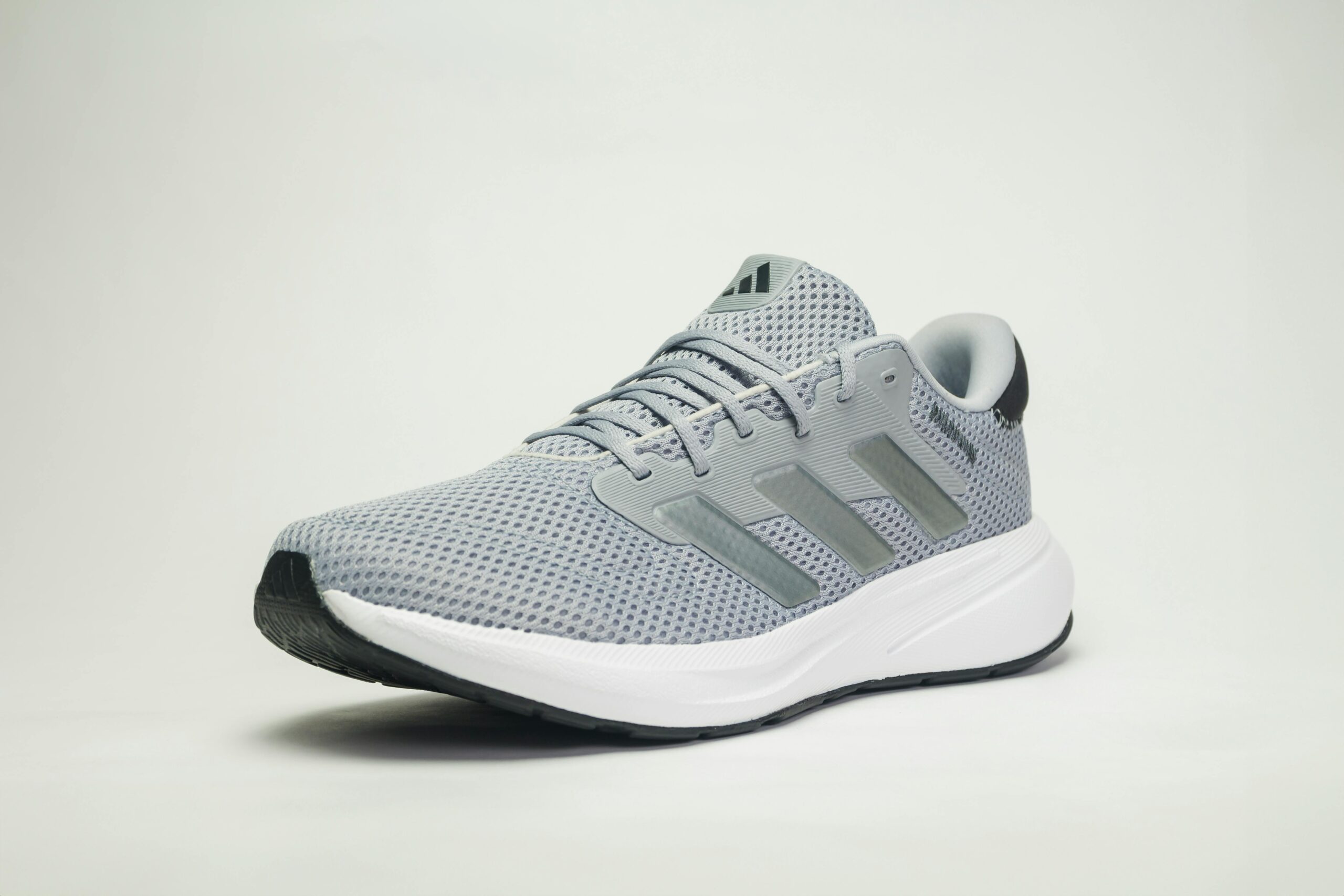
🎯 Making Your Perfect Choice
Selecting ideal footwear involves understanding your unique feet, activities, and preferences. Start by honestly assessing your needs—what activities will these shoes support? Do you have any foot issues or injury history? What surfaces will you encounter?
Next, prioritize fit above all marketing claims and aesthetic preferences. A perfectly fitted shoe with moderate features outperforms a poorly fitted shoe with cutting-edge technology every time. Once fit is secured, experiment with drop and cushioning to find what feels best for your biomechanics and comfort preferences.
Remember that the “best” shoe is highly individual. What works perfectly for your training partner might cause you problems, and vice versa. Trust your body’s feedback, give yourself time to adapt to new shoes, and don’t be afraid to try different approaches until you find your perfect combination.
Your feet carry you through life—investing time and resources into proper footwear pays dividends in comfort, performance, and long-term foot health. By understanding and applying principles of fit, drop, and cushioning, you’re equipped to step confidently into comfort with every footwear decision you make. 👟