
Finding the perfect shoe fit is more than just trying on a pair and hoping for the best. Understanding how your footwear performs across different surfaces over time can transform your daily comfort and long-term foot health.

Whether you’re an athlete tracking performance, a professional on your feet all day, or simply someone who values comfort, monitoring your footwear and the surfaces you walk on provides invaluable insights. This comprehensive approach to footwear management helps you make informed decisions about when to replace shoes, which styles work best for your lifestyle, and how different environments affect your comfort throughout the day.
🚶 Why Tracking Your Footwear Matters More Than You Think
Most people wear their shoes until they visibly fall apart, but the reality is that footwear loses its supportive qualities long before visible damage appears. The cushioning materials compress, the arch support weakens, and the traction diminishes gradually over time. By the time you notice discomfort, you’ve likely been walking in compromised shoes for weeks or even months.
Tracking your footwear usage allows you to identify patterns in wear and tear specific to your gait, weight, and activities. Some people wear down the heel first, while others experience toe box deterioration. Understanding your unique wear pattern helps you select shoes designed to address your specific needs and replace them at the optimal time before they cause discomfort or injury.
The Hidden Cost of Worn-Out Shoes
Walking in degraded footwear doesn’t just affect comfort—it can lead to a cascade of physical problems. When shoe cushioning compresses unevenly, your body compensates by adjusting your gait. This altered walking pattern can cause stress on your knees, hips, and lower back. Many people experiencing chronic pain never connect it to their footwear because the changes happen so gradually.
Professional runners typically replace their shoes every 300-500 miles, but everyday shoe wearers rarely track mileage. By monitoring how long you’ve worn a particular pair and noting when discomfort begins, you establish a personal replacement schedule based on actual data rather than guesswork.
📊 Understanding Surface Impact on Footwear Performance
Not all walking surfaces are created equal, and each type affects your shoes and body differently. Concrete sidewalks, hardwood floors, grass, carpet, gravel, and rubber gym flooring all create unique challenges for your footwear and feet. The same pair of shoes that feels perfect on your office carpet might leave you exhausted after a day walking on concrete.
Hard surfaces like concrete and tile offer no shock absorption, meaning your shoes must provide all the cushioning. These unforgiving surfaces accelerate cushioning breakdown and can cause faster fatigue. Softer surfaces like grass or carpet reduce impact but may require different traction patterns and can wear down outsoles differently.
Creating Your Personal Surface Comfort Map
Start documenting which surfaces you encounter most frequently throughout your day. A typical professional might walk from home flooring to concrete sidewalks, spend hours on office carpet, then return via the same route. Weekend activities might involve hiking trails, gym flooring, or mall tile. Each surface combination creates a unique footwear demand profile.
By noting how your feet feel on different surfaces with various shoes, you build a personalized database of what works where. You might discover that your favorite casual shoes are perfect for weekend errands but leave your feet aching after office days. This knowledge empowers you to match footwear to your daily activities strategically.
👟 Essential Metrics to Track for Optimal Footwear Management
Effective footwear tracking doesn’t require complicated systems, but consistency in monitoring key metrics makes all the difference. Here are the most valuable data points to record:
- Purchase date and initial cost: Establishes your footwear timeline and helps calculate cost per wear
- Total days or hours worn: More accurate than calendar time for determining actual usage
- Primary activities: Walking, running, standing, specific sports or work tasks
- Surface types encountered: Concrete, carpet, tile, grass, gravel, rubber, etc.
- Comfort rating: Simple 1-10 scale noted periodically throughout the shoe’s life
- Visible wear indicators: Sole wear patterns, upper condition, cushioning feel
- Pain or discomfort notes: Any foot, ankle, knee, or back issues that emerge
- Weather conditions: How shoes perform in wet, hot, or cold conditions
Digital Tools That Simplify Footwear Tracking
While pen and paper work perfectly well, dedicated apps can automate much of the tracking process. Some fitness apps include shoe tracking features that automatically log mileage when you exercise. Other specialized footwear management apps let you photograph your shoes, set replacement reminders, and compare different models over time.
For runners and serious athletes, apps that integrate with fitness trackers can provide incredibly detailed data about how your shoes perform across different terrains, paces, and distances. This quantitative approach removes guesswork and provides objective data about when performance begins declining.
🔍 Recognizing the Signs Your Footwear Needs Replacement
Even with meticulous tracking, knowing when to retire shoes requires understanding the physical indicators of degradation. Some signs are obvious, while others are subtle and easy to miss if you’re not looking for them.
The most reliable indicator is the compression test: press your thumb firmly into the midsole cushioning. If it doesn’t spring back quickly or feels noticeably flatter than when new, the cushioning has broken down. This happens internally long before you see external damage, making it a crucial test to perform regularly.
Physical Wear Patterns Worth Monitoring
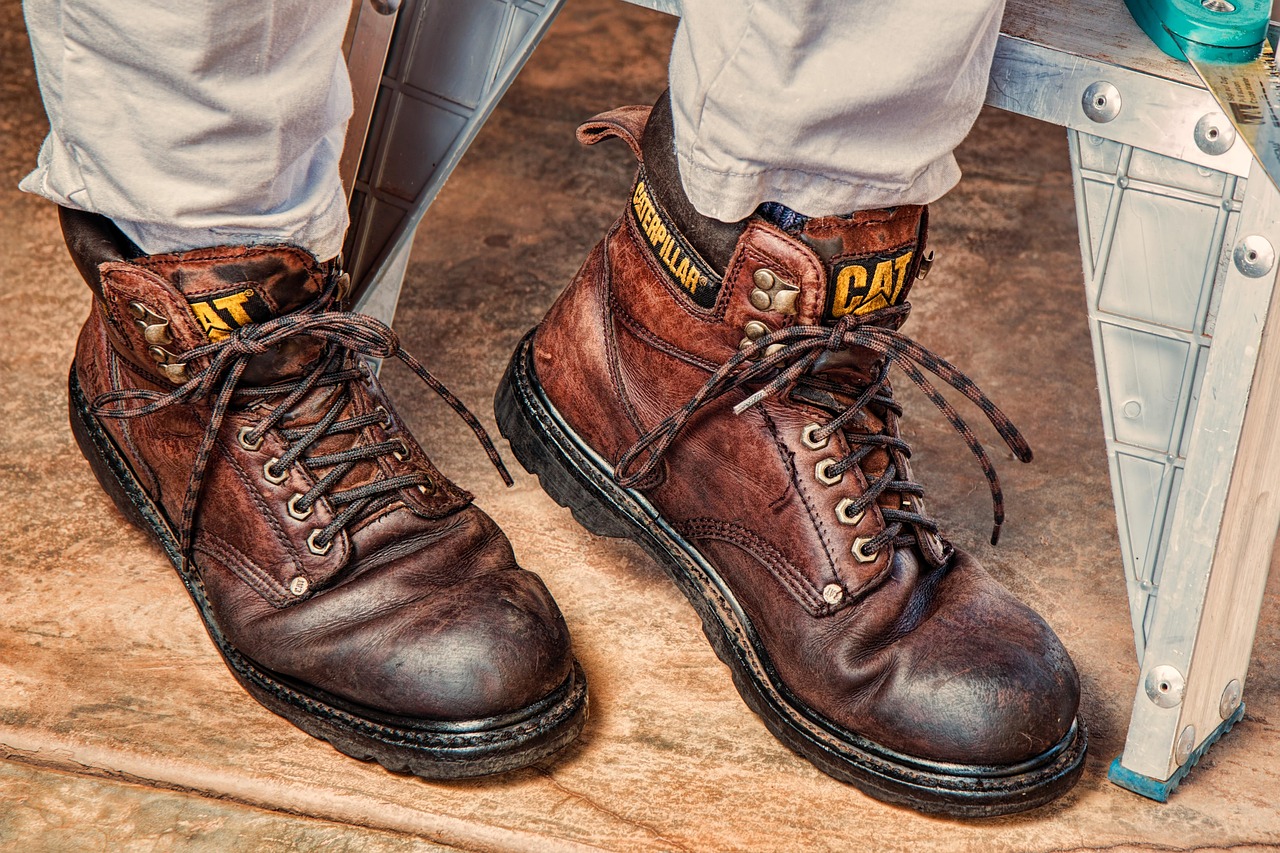
Examine your shoe outsoles regularly. Uneven wear patterns reveal important information about your gait. Excessive heel wear might indicate a heel-strike running pattern, while toe wear suggests you push off aggressively. These patterns help you select shoes with reinforcement in your high-wear areas.
Check the shoe upper for creasing, tearing, or separation from the sole. While cosmetic issues don’t always affect performance, structural damage compromises support. The heel counter—the stiff cup around your heel—should remain firm. If you can easily compress it, the shoe has lost its stability features.
🏃 Activity-Specific Footwear Strategies
Different activities demand different footwear characteristics, and tracking performance by activity type helps you optimize for each use case. Running shoes prioritize cushioning and forward motion, while walking shoes emphasize stability and flexibility. Work shoes might need durability and professional appearance alongside comfort.
Many footwear problems arise from using the wrong shoe for the activity. Running in walking shoes can cause injury due to insufficient cushioning, while wearing heavily cushioned running shoes for standing work may cause instability. Your tracking system should categorize shoes by primary purpose and alert you when you’re using them outside their intended application.
Building a Rotation Strategy
Rotating between multiple pairs extends the life of all your shoes. When you wear the same pair daily, cushioning materials don’t have time to fully recover between uses. Alternating pairs allows materials to decompress, potentially extending shoe life by 50% or more.
Your tracking system should account for rotation patterns. If you alternate three pairs of work shoes, each pair experiences less wear per week, but calendar time becomes less relevant than actual wear days. Tracking systems that count wear sessions rather than elapsed time provide more accurate replacement predictions.
💡 Advanced Tracking Techniques for Enthusiasts
For those who want to dive deeper into footwear optimization, advanced tracking techniques provide even more insights. Pressure mapping technologies, available at specialty running stores, show exactly how your foot interacts with different shoe models. This objective data removes subjective guesswork from shoe selection.
Some enthusiasts photograph their shoes from multiple angles every month, creating a visual timeline of deterioration. Time-lapse comparisons make subtle wear patterns obvious and help establish personal replacement schedules based on visual cues.
Correlating Footwear Data with Health Metrics
The most sophisticated approach connects footwear tracking with broader health monitoring. By noting when you experience foot pain, joint discomfort, or energy changes alongside your footwear data, you can identify causal relationships. You might discover that a particular shoe model consistently causes issues after 200 hours of wear, or that concrete surfaces in specific shoes lead to next-day soreness.
Fitness tracker data about steps, distance, and activity intensity enriches footwear tracking significantly. If your tracker shows you walked 50,000 steps in a week, you know exactly how much demand you placed on your shoes. This quantitative approach transforms footwear management from guesswork into data-driven decision-making.
🌟 Maximizing Comfort Across Different Environments
Your environment dramatically affects footwear performance and comfort requirements. Indoor climate-controlled spaces create different demands than outdoor variable conditions. Temperature affects both your feet and shoe materials—heat causes swelling and makes materials more pliable, while cold stiffens materials and reduces flexibility.
Humidity and moisture management become crucial tracking variables if you work outdoors or exercise in various weather conditions. Shoes that feel perfect in dry conditions might become uncomfortable when wet. Materials like leather and canvas respond differently to moisture than synthetic mesh. Tracking performance across weather conditions helps you select appropriate footwear for predicted conditions.
Creating Environment-Specific Footwear Plans
Develop environment-specific strategies based on your tracking data. If you know Wednesdays involve extensive outdoor walking on concrete, wear your most cushioned shoes with fresh insoles. If Fridays mean mostly carpeted indoor spaces, shoes with less aggressive cushioning but better breathability might be optimal.
This strategic approach prevents the common mistake of wearing the same shoes regardless of daily demands. Your tracking system becomes a planning tool, helping you select tomorrow’s footwear based on your calendar and expected surfaces.
📈 Long-Term Benefits of Consistent Footwear Tracking
The real value of footwear tracking emerges over months and years of consistent data collection. Patterns become clear that would never be obvious from short-term observation. You might discover that specific brands consistently last longer for your use patterns, or that certain activities accelerate wear unexpectedly.
Financial benefits accumulate as you optimize purchasing decisions. By knowing exactly how long each shoe model lasts under your specific conditions, you can calculate true cost per wear and make value-based decisions rather than impulse purchases. A more expensive shoe that lasts twice as long often represents better value than a cheaper option requiring frequent replacement.
Building Your Personal Footwear Knowledge Base
Over time, your tracking data becomes an invaluable personal reference guide. When shopping for new shoes, you can reference which models worked well previously and which disappointed. You’ll remember that Brand X running shoes only lasted 4 months while Brand Y provided 7 months of comfort, making the choice obvious despite similar initial costs.
This accumulated wisdom extends beyond personal use. You become a valuable resource for friends and family seeking footwear advice, able to provide data-backed recommendations based on similar use patterns and requirements.
🎯 Implementing Your Footwear Tracking System Today
Starting a footwear tracking system requires minimal effort but delivers maximum value. Begin simply by noting the purchase date and primary use for each pair you currently own. Create a basic spreadsheet or use a note-taking app to record when you wear each pair and how your feet feel afterward.
Gradually expand your tracking to include the metrics most relevant to your lifestyle. If you experience frequent foot pain, prioritize comfort ratings and pain notes. If you’re budget-conscious, focus on cost per wear calculations. Athletes should emphasize mileage and performance metrics. Customize your system to address your specific concerns and goals.
Set calendar reminders to review your footwear monthly. Perform the compression test, examine wear patterns, and update your tracking system. This regular audit ensures nothing falls through the cracks and problems are identified early before they cause discomfort or injury.
🌍 The Broader Impact of Mindful Footwear Choices
Beyond personal comfort and health, thoughtful footwear tracking promotes sustainability. By maximizing the useful life of each pair through strategic rotation and timely replacement, you reduce waste. Understanding which shoes truly meet your needs prevents impulse purchases that end up unworn in the closet.
This mindful approach also saves money that can be invested in higher-quality options. Rather than buying cheap shoes that fail quickly, you can budget for well-constructed footwear that performs better and lasts longer, ultimately reducing both cost and environmental impact.
Your footwear tracking journey represents a commitment to treating your feet—which carry you through approximately 110,000 miles in an average lifetime—with the attention they deserve. Every step matters, and ensuring those steps occur in optimal footwear transforms daily comfort, prevents injury, and enhances your overall quality of life. By understanding how your shoes perform across different surfaces over time, you gain control over an aspect of wellness that most people leave entirely to chance. Start tracking today, and experience the difference that data-driven footwear decisions make with every step you take.