
Your core is more than just your abs—it’s the foundation of every movement you make. True strength and balance begin deep within, starting with a part of your body you might not think about often: your pelvic floor.

The connection between pelvic floor health and overall core stability is profound yet frequently overlooked. Many fitness enthusiasts focus on visible muscle groups while neglecting the internal architecture that supports balance, posture, and functional movement. Understanding pelvic floor readiness isn’t just for postpartum recovery or aging populations—it’s a game-changer for anyone seeking optimal athletic performance and injury prevention.
🎯 Understanding the True Core: Beyond Surface-Level Strength
When most people think of core training, they envision crunches, planks, and six-pack abs. However, the anatomical core is far more comprehensive. Your core system includes the diaphragm at the top, the pelvic floor at the bottom, the transverse abdominis wrapping around your midsection, and the multifidus muscles supporting your spine.
The pelvic floor muscles form the base of this cylindrical core structure. These muscles stretch like a hammock from your pubic bone to your tailbone and side to side. They support your bladder, bowel, and reproductive organs while playing a crucial role in intra-abdominal pressure regulation.
Without a properly functioning pelvic floor, your core cannot generate or maintain the internal pressure necessary for spinal stability. This is why someone might have impressive rectus abdominis development yet still experience back pain, balance issues, or performance limitations.
The Science Behind Pelvic Floor Readiness Testing
Pelvic floor readiness testing evaluates the strength, endurance, coordination, and responsiveness of your pelvic floor muscles. Unlike traditional strength assessments that focus on maximum load capacity, pelvic floor testing examines functional capacity—how well these muscles perform their supportive and stabilizing roles during various activities.
These assessments typically evaluate several key parameters:
- Resting tone: The baseline tension in your pelvic floor muscles when relaxed
- Contraction strength: The maximum voluntary squeeze you can generate
- Endurance capacity: How long you can maintain a contraction
- Coordination: The timing and sequencing with other core muscles
- Reflexive response: Automatic activation during sudden pressure changes
Research published in the Journal of Orthopaedic & Sports Physical Therapy has demonstrated that pelvic floor dysfunction correlates strongly with lower back pain, hip instability, and reduced athletic performance. Testing allows practitioners to identify weaknesses before they manifest as injuries or chronic conditions.
What Happens During a Professional Assessment
A comprehensive pelvic floor assessment is typically performed by a specialized physical therapist. The evaluation may include both external and internal examinations, though non-invasive methods are increasingly available through technology-assisted biofeedback devices.
During the assessment, you’ll be asked to perform specific contractions and relaxations while the therapist monitors muscle activation patterns. This might involve breathing exercises, position changes, and functional movement tests that reveal how your pelvic floor responds to real-world demands.
The therapist will assess for signs of hypertonicity (excessive tension), hypotonicity (insufficient tension), or coordination deficits. Each finding points toward specific training protocols that address your unique needs rather than generic core strengthening programs.
💪 The Link Between Pelvic Floor Health and Athletic Performance
Elite athletes across disciplines are discovering that pelvic floor optimization provides measurable performance advantages. The mechanism is straightforward: improved intra-abdominal pressure management leads to better force transfer, enhanced stability, and more efficient movement patterns.
When you lift heavy weights, sprint, jump, or change direction quickly, your core must create a stable platform for your limbs to generate force. This stability comes from coordinated pressure management within the abdominal cavity. If your pelvic floor cannot maintain appropriate tension, pressure escapes downward, compromising the entire system.
Consider these performance benefits associated with optimal pelvic floor function:
- Enhanced power generation in rotational movements
- Improved balance and proprioception during single-leg exercises
- Better breathing efficiency during endurance activities
- Reduced injury risk in the lower back and hips
- Faster recovery between high-intensity efforts
Professional runners have reported improvements in running economy after addressing pelvic floor dysfunction. Olympic weightlifters incorporate pelvic floor training into their programming to maximize their lockout strength. Even yoga practitioners find that pelvic floor awareness enhances their practice and prevents strain.
Recognizing the Warning Signs of Pelvic Floor Dysfunction
Many people live with pelvic floor issues without recognizing them as such. These dysfunctions often manifest as seemingly unrelated problems that get attributed to other causes. Understanding the warning signs can prompt you to seek assessment before minor issues become major limitations.
Common indicators of pelvic floor dysfunction include:
- Urinary leakage during exercise, coughing, or sneezing
- Frequent urination or difficulty fully emptying your bladder
- Lower back pain that doesn’t respond to typical treatments
- Hip or groin pain without clear injury
- Pelvic pressure or heaviness after standing or exercising
- Difficulty maintaining core engagement during exercises
- Pain during or after sexual activity
These symptoms aren’t normal consequences of aging or having children—they’re treatable conditions that respond well to targeted intervention. Ignoring these signs typically leads to compensation patterns that create additional problems throughout the kinetic chain.
The Connection to Breathing Patterns
Your diaphragm and pelvic floor work in synchronized opposition. When you inhale, your diaphragm descends and your pelvic floor gently lengthens. During exhalation, both structures return to their resting position. This coordinated rhythm is essential for proper core function.
Chronic stress, poor posture, or breathing pattern disorders can disrupt this relationship. Chest breathing or breath-holding during exercise creates excessive downward pressure on the pelvic floor, leading to strain and dysfunction over time.
Pelvic floor readiness testing often reveals breathing pattern dysfunctions that contribute to core instability. Addressing both systems simultaneously produces superior outcomes compared to isolated interventions.
🏋️ Integrating Pelvic Floor Training Into Your Strength Program
Once you’ve completed readiness testing, the next step is incorporating appropriate exercises into your existing training routine. This doesn’t mean abandoning your current program—rather, it involves adding foundational exercises that enhance everything else you do.
Effective pelvic floor training progresses through distinct phases:
| Phase | Focus | Duration |
|---|---|---|
| Foundation | Awareness and basic contraction | 2-3 weeks |
| Strength | Increasing contraction intensity | 3-4 weeks |
| Endurance | Sustaining contractions longer | 3-4 weeks |
| Coordination | Timing with movement patterns | 4-6 weeks |
| Integration | Automatic activation during activity | Ongoing |
The foundation phase focuses on developing awareness and control. Many people initially struggle to isolate pelvic floor contractions, often recruiting gluteal or abdominal muscles instead. Proper cueing and biofeedback help establish accurate motor patterns.
Essential Exercises for Pelvic Floor Readiness
Begin with basic exercises in non-challenging positions before progressing to functional movements. Here are foundational exercises that build pelvic floor capacity:
Diaphragmatic Breathing with Pelvic Floor Coordination: Lie on your back with knees bent. Place one hand on your chest and one on your belly. Inhale through your nose, allowing your belly to rise while your pelvic floor gently lengthens. Exhale through pursed lips, gently engaging your pelvic floor as your belly falls. Practice for 5-10 minutes daily.
Elevator Exercises: Visualize your pelvic floor as an elevator moving between floors. Start at the ground floor (resting state). Gently lift to the first floor (20% contraction), hold for 3 seconds, then lift to the second floor (40% contraction), continuing until you reach maximum contraction. Reverse the sequence, pausing at each level. This builds graduated control.
Quick Flicks: Perform rapid, short contractions—squeeze and immediately release. Aim for one contraction per second for 10 repetitions. This trains the fast-twitch muscle fibers that provide reflexive support during sudden pressure changes like coughing or landing from a jump.
Functional Integration: Once you’ve mastered isolated contractions, practice engaging your pelvic floor before and during challenging movements. Before lifting a heavy object, exhale while gently engaging your pelvic floor, then maintain that engagement throughout the lift. This protects your spine and optimizes force production.
The Role of Technology in Pelvic Floor Assessment and Training
Advances in biofeedback technology have made pelvic floor training more accessible and effective. Wireless sensors and smartphone applications now provide real-time feedback about muscle activation, helping users develop accurate contraction patterns without clinical supervision.
These devices typically use electromyography (EMG) sensors or pressure-sensing technology to measure pelvic floor activity. The data is transmitted to your smartphone, where visual or auditory cues guide your training sessions. This objective feedback accelerates learning and ensures you’re performing exercises correctly.
Some applications offer progressive training programs that adjust difficulty based on your performance. They track metrics like contraction strength, endurance, and consistency over time, providing motivation and accountability similar to fitness tracking apps for other body parts.
✨ Pelvic Floor Health Across Different Life Stages
Your pelvic floor needs evolve throughout your lifetime. Understanding these changes helps you adapt your training approach and maintain optimal function regardless of age or circumstance.
For Athletes and Active Individuals
High-impact activities and heavy lifting place significant demands on your pelvic floor. Athletes should incorporate pelvic floor readiness testing as part of their baseline assessment, similar to movement screening or strength testing. Regular reassessment helps identify fatigue or dysfunction before it impacts performance.
Female athletes face unique challenges related to hormonal fluctuations that affect connective tissue laxity. Training adjustments during different phases of the menstrual cycle can optimize outcomes and prevent injury.
During and After Pregnancy
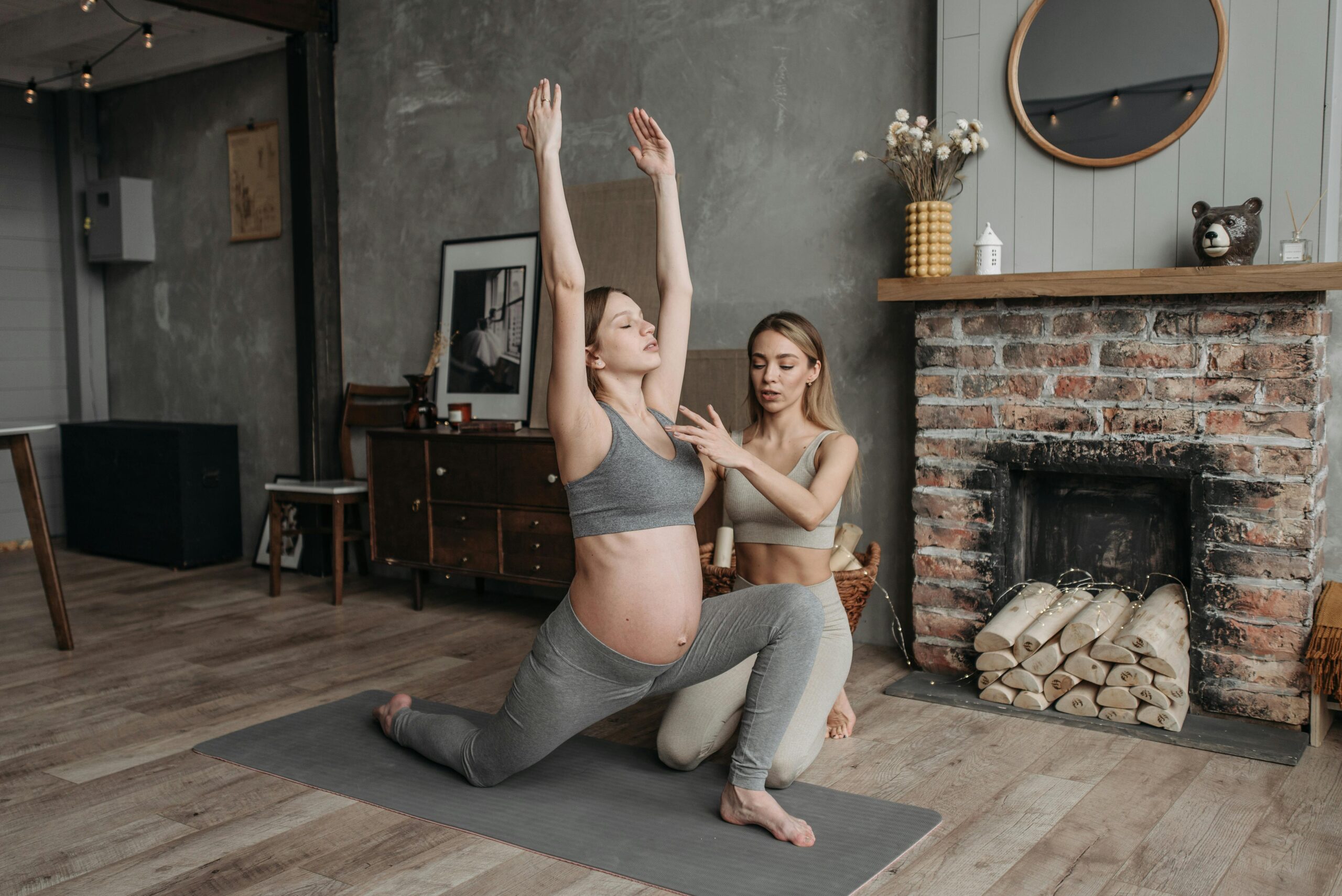
Pregnancy and childbirth dramatically impact pelvic floor function. The weight of the growing uterus, hormonal changes affecting tissue elasticity, and the physical trauma of delivery all require specific recovery protocols.
Prenatal pelvic floor training prepares these muscles for the demands of pregnancy and delivery, potentially reducing complications and accelerating postpartum recovery. Postnatal assessment and rehabilitation should be considered essential components of recovery, not optional extras.
As You Age
Age-related changes in muscle mass, hormonal status, and connective tissue integrity affect pelvic floor function. However, these muscles remain trainable throughout life. Studies demonstrate that even individuals in their 70s and 80s can achieve significant improvements in pelvic floor strength and function through appropriate exercise.
Maintaining pelvic floor health becomes increasingly important for preserving independence, preventing falls through improved balance, and maintaining quality of life as you age.
🔄 Common Mistakes That Undermine Your Progress
Even with good intentions, many people make errors that limit their pelvic floor training effectiveness or potentially worsen dysfunction. Recognizing these pitfalls helps you avoid setbacks.
Over-recruiting surrounding muscles: Many people squeeze their glutes, inner thighs, or abdominals when attempting pelvic floor contractions. This substitution pattern prevents proper muscle isolation and development.
Holding your breath: Breath-holding during contractions increases intra-abdominal pressure excessively and reinforces dysfunctional patterns. Always breathe normally or coordinate contractions with exhalation.
Training through pain: Pelvic floor exercises should never cause pain. Discomfort suggests technique errors, excessive intensity, or underlying issues requiring professional assessment.
Inconsistent practice: Like any muscle training, pelvic floor strengthening requires consistent effort. Sporadic exercise produces minimal results. Daily practice, even brief sessions, yields better outcomes than occasional longer workouts.
Neglecting relaxation: Some people develop pelvic floor hypertonicity from excessive kegel exercises or chronic tension. Learning to fully relax these muscles is as important as strengthening them.
Building a Comprehensive Core Strategy
Optimal core function requires addressing all components of the core cylinder, not just the pelvic floor in isolation. Your training program should include exercises that challenge your deep stabilizers, breathing mechanics, and functional movement patterns.
Combine pelvic floor training with exercises like dead bugs, bird dogs, pallof presses, and carries that require coordinated core activation. These compound movements teach your body to integrate pelvic floor engagement into real-world movement patterns.
Anti-rotation and anti-extension exercises are particularly valuable because they challenge your core to resist forces rather than generate movement. This functional approach translates directly to improved athletic performance and injury resilience.
The Path Forward: Making Pelvic Floor Health a Priority
Understanding pelvic floor readiness represents a paradigm shift in how we approach core training and overall fitness. This isn’t about adding another body part to your endless workout checklist—it’s about optimizing the foundation that makes everything else possible.
Start by seeking professional assessment if you experience any warning signs of dysfunction or if you’re serious about maximizing your performance potential. A qualified pelvic floor physical therapist can provide personalized guidance based on your specific needs and goals.
If professional assessment isn’t immediately accessible, begin with foundational exercises focused on awareness and coordination. Use available technology and resources to guide your practice, but remain open to seeking expert guidance as you progress.
Remember that pelvic floor health isn’t a destination but an ongoing aspect of your overall fitness journey. Just as you wouldn’t expect to maintain cardiovascular fitness without regular training, your pelvic floor requires consistent attention to sustain optimal function.
The investment you make in understanding and training your pelvic floor pays dividends across every aspect of your physical life. From preventing incontinence to improving your deadlift, from reducing back pain to enhancing athletic performance, pelvic floor readiness unlocks potential you might not have realized was trapped beneath dysfunction.
Your core is truly your center—the source of stability, power, and balance that enables everything else you want to accomplish physically. By mastering your core through pelvic floor readiness testing and training, you’re not just preventing problems; you’re unlocking ultimate strength that radiates throughout your entire movement system. This foundational work might be invisible to observers, but you’ll feel the difference in every lift, every stride, and every challenge you tackle with newfound confidence and capability.