
Motherhood and running don’t have to be mutually exclusive. With the right strategies, proper planning, and evidence-based approaches, you can thrive in both roles while building strength, confidence, and resilience that serves every aspect of your life.

The journey of balancing running with motherhood presents unique challenges that deserve acknowledgment and practical solutions. From fluctuating energy levels to time constraints and physical recovery considerations, runner moms face obstacles that require both mental fortitude and smart strategies. This comprehensive guide offers evidence-based tips to help you navigate this rewarding yet demanding path with confidence and sustainability.
🏃♀️ Understanding the Unique Physiology of Mom Runners
The postpartum body undergoes significant changes that affect running performance and injury risk. Research published in the British Journal of Sports Medicine indicates that hormonal fluctuations, particularly relaxin levels, can remain elevated for months after childbirth, affecting joint stability and ligament laxity. Understanding these physiological realities allows you to approach training with appropriate modifications rather than frustration.
Pelvic floor dysfunction affects approximately 35-40% of postpartum women who return to high-impact activities too quickly. The core and pelvic floor work synergistically to stabilize your body during running, making their rehabilitation essential before resuming regular training. Working with a pelvic floor physical therapist isn’t a luxury—it’s an evidence-based necessity for long-term running health.
Diastasis recti, the separation of abdominal muscles during pregnancy, affects nearly two-thirds of pregnant women and requires specific rehabilitation protocols. Simply “getting back to running” without addressing these foundational issues increases injury risk and potentially creates compensatory movement patterns that compromise performance and longevity in the sport.
The Realistic Timeline for Postpartum Running Return
Despite cultural pressure to “bounce back” immediately, research supports a gradual return to running. The conventional six-week clearance doesn’t account for individual recovery variations, birth experiences, or the demands of running as a high-impact activity. A more evidence-based approach suggests waiting 12-16 weeks minimum, with some women requiring longer depending on their specific circumstances.
Begin with a walking program that progressively increases duration and intensity. Once you can walk 30 minutes continuously without pain, pelvic pressure, or leaking, you may be ready to introduce walk-run intervals. This graduated approach allows connective tissues to adapt, reduces injury risk, and builds the cardiovascular base necessary for sustainable training.
Listen to your body’s signals rather than arbitrary timelines. Increased bleeding, pelvic heaviness, incontinence, or pain are clear indicators to scale back intensity or duration. These aren’t signs of weakness—they’re valuable feedback from a body that has accomplished the remarkable feat of growing and birthing a human.
Strategic Time Management for Consistent Training
Time scarcity represents the most commonly cited barrier to exercise among mothers. Research in the Journal of Physical Activity and Health demonstrates that mothers average 20% less leisure-time physical activity than non-mothers, primarily due to competing demands and caregiving responsibilities. Overcoming this obstacle requires strategic planning rather than simply “finding” more time.
Morning runs, while challenging initially, provide the most consistent training opportunity. Waking before your household reduces interruptions and ensures your workout happens before the day’s unpredictability unfolds. Gradually shifting your sleep schedule by 15-minute increments makes early rising more sustainable than abrupt changes.
The “good enough” run beats the perfect run that never happens. Releasing attachment to specific mileage, pace, or duration creates flexibility that accommodates motherhood’s unpredictability. A 20-minute run provides significant physical and mental health benefits, even when your training plan prescribed 60 minutes.
Maximizing Short Training Windows
High-efficiency workouts deliver substantial fitness gains in compressed timeframes. Interval training, tempo runs, and hill repeats provide cardiovascular and muscular adaptations comparable to longer steady-state runs but in half the time. A 30-minute interval session can offer training stimulus equivalent to a 60-minute easy run.
Double runs—splitting daily mileage into two shorter sessions—offer flexibility for busy schedules while potentially enhancing recovery through reduced mechanical stress per session. This approach works particularly well when combining a quick morning run with a lunchtime or evening second session.
Consider these time-efficient training strategies:
- Stroller running for sessions that include your child rather than requiring childcare
- Treadmill workouts during nap times that eliminate travel to running routes
- Running commutes that combine transportation with training
- Lunch break runs that utilize work schedule gaps
- Partner tag-team approaches where caregiving shifts enable both parents to train
💪 Strength Training: The Non-Negotiable Foundation
Running-specific strength training reduces injury risk by 50% according to research published in the British Journal of Sports Medicine. For postpartum runners, strength work becomes even more critical given the core, pelvic floor, and postural adaptations from pregnancy and childbirth.
Prioritize compound movements that address multiple muscle groups simultaneously, maximizing training efficiency. Squats, deadlifts, lunges, and single-leg exercises build the hip and gluteal strength essential for running mechanics while improving bone density—particularly important given pregnancy-related calcium demands.
Core training extends beyond traditional crunches to encompass 360-degree stability training. Planks, dead bugs, bird dogs, and pallof presses develop the deep stabilizers that protect your spine and transfer force efficiently during running. Integrate breath work that coordinates diaphragmatic breathing with pelvic floor engagement for optimal function.
Building Strength with Minimal Equipment
Effective strength training doesn’t require gym memberships or extensive equipment. Bodyweight exercises, resistance bands, and a single kettlebell or set of dumbbells provide sufficient stimulus for significant strength gains. This accessibility removes barriers and enables home-based training during nap times or after bedtime.
Two 15-20 minute strength sessions weekly provide the minimum effective dose for injury prevention and performance enhancement. Focus on quality over quantity, emphasizing proper form and progressive overload through increased repetitions, resistance, or exercise complexity rather than simply adding volume.
Nutrition Strategies for Running and Breastfeeding Moms
Breastfeeding requires an additional 300-500 calories daily, and running demands further energy depending on training volume. Underfueling represents a significant risk for runner moms, potentially compromising milk supply, recovery, hormonal function, and bone health. The Female Athlete Triad—now recognized as Relative Energy Deficiency in Sport (RED-S)—affects runners who chronically under-consume relative to energy expenditure.
Prioritize nutrient density over caloric restriction. Running performance and maternal health both depend on adequate carbohydrate intake for glycogen stores, sufficient protein for tissue repair and milk production, and healthy fats for hormone synthesis. Restrictive dieting while training and nursing creates a perfect storm for metabolic dysfunction.
Hydration deserves special attention as both running and breastfeeding increase fluid requirements. Aim for pale yellow urine as a practical hydration indicator, and consider drinking to thirst plus an additional 8-16 ounces daily. Electrolyte replacement becomes important for runs exceeding 60 minutes or in hot conditions.
Practical Meal Planning for Busy Moms
Batch cooking and meal preparation minimize daily cooking demands while ensuring nutritious options remain accessible. Preparing proteins, grains, and chopped vegetables in advance allows quick assembly of balanced meals without extensive daily cooking time.
Keep nutrient-dense snacks readily available for quick energy replenishment between nursing sessions and runs. Nuts, nut butters, dried fruit, energy balls, Greek yogurt, and cheese provide convenient options that support both recovery and milk production without requiring preparation time.
🧠 The Mental Health Benefits of Running as a Mother
Research consistently demonstrates that regular aerobic exercise reduces postpartum depression risk and severity. A meta-analysis in Depression and Anxiety found that exercise interventions significantly improved postpartum depression symptoms with effect sizes comparable to therapeutic interventions. Running provides not just physical fitness but crucial mental health support during a vulnerable period.
The psychological benefits extend beyond depression prevention. Running offers identity preservation beyond the all-consuming role of mother, creating space for personal goals, accomplishment, and self-care. This isn’t selfish—research shows that maternal well-being directly influences child development and family functioning.
Solo runs provide rare solitude in the constant togetherness of early motherhood. This time for reflection, processing, and mental restoration serves as moving meditation that many mothers describe as essential for their emotional regulation and stress management. The endorphin release and accomplishment feeling following a completed run create positive momentum that benefits all areas of life.
Community and Accountability Systems
Social support significantly predicts exercise adherence according to behavioral psychology research. Running communities specifically designed for mothers provide understanding, practical advice, and accountability that generic running groups may not offer. These connections normalize the challenges of balancing training with parenting while celebrating the victories unique to this journey.
Virtual running communities remove geographic barriers and time constraints. Online forums, social media groups, and running apps enable connection with other runner moms regardless of location or schedule. Sharing training logs, asking questions, and receiving encouragement from those navigating similar challenges reduces isolation and increases motivation.
Accountability partners or small running groups create commitment beyond personal motivation. Scheduling runs with others—whether in-person or virtually—transforms workouts from optional to committed appointments. This external accountability proves particularly valuable during periods when internal motivation wanes due to sleep deprivation or overwhelm.
Managing Sleep Deprivation and Training Adaptation
Sleep deprivation significantly impairs athletic performance, recovery, and injury risk according to sports science research. Unfortunately, new mothers face inevitable sleep disruption that complicates training. Rather than ignoring this reality, adjust expectations and training loads to accommodate reduced recovery capacity.
Prioritize sleep whenever possible, even if it means skipping a run. One study in the Journal of Sports Sciences found that sleep extension improved athletic performance markers more than additional training in sleep-restricted athletes. Sometimes the most productive training decision is choosing rest over another workout.
Modify training intensity based on sleep quality. After particularly disrupted nights, replace interval sessions with easy runs or strength work with gentle yoga. This responsive approach prevents overtraining while maintaining consistency and reduces injury risk when operating on insufficient sleep.
Strategic Napping and Recovery Protocols
Short naps of 20-30 minutes can partially offset sleep debt without causing sleep inertia that leaves you groggy. Strategic napping before afternoon runs can improve performance, particularly for evening training sessions when cumulative fatigue peaks.
Emphasize recovery modalities that enhance adaptation despite limited sleep. Adequate nutrition, hydration, compression garments, foam rolling, and stress management all support recovery independent of sleep duration. While nothing fully replaces sleep, these strategies optimize the recovery you can achieve with available rest.
🎯 Goal Setting and Progress Measurement
Traditional performance metrics may not capture progress during the motherhood transition. Instead of fixating on pre-pregnancy paces or race times, consider process-oriented goals that acknowledge your current life stage. Consistency metrics—like number of runs per week—often provide more meaningful measures than pace or distance during this period.
Celebrate non-traditional victories: successfully managing a stroller run, completing strength work during nap time, or simply getting out the door despite exhaustion. These accomplishments represent real progress within the constraints of early motherhood and deserve recognition equal to PRs or mileage milestones.
Set flexible goals with built-in adaptation mechanisms. Instead of rigid training plans, use guideline frameworks that accommodate the unpredictability of life with young children. This approach maintains direction without creating setup for failure when inevitably plans require modification.
Preventing and Managing Common Injuries
Postpartum runners face elevated injury risk from multiple factors: altered biomechanics, core weakness, sleep deprivation affecting recovery, and time pressures leading to inadequate warm-ups. The most common injuries include runner’s knee, plantar fasciitis, hip pain, and stress fractures—often preventable with appropriate strategies.
Gradual progression represents the single most important injury prevention strategy. The 10% rule—increasing weekly mileage by no more than 10% per week—provides a conservative framework, though postpartum runners may benefit from even more conservative 5% weekly increases during the first six months of return.
Cross-training activities like cycling, swimming, or elliptical training provide cardiovascular fitness with reduced impact stress. Incorporating one or two cross-training sessions weekly during your running return reduces cumulative load while maintaining fitness development.
When to Seek Professional Help
Persistent pain lasting beyond 48 hours warrants professional evaluation. “Training through” discomfort frequently transforms minor issues into significant injuries requiring extended rest. Women’s health physical therapists, sports medicine physicians, and running coaches with postpartum expertise provide valuable guidance for navigating the return to running safely.
Don’t dismiss pelvic floor symptoms as inevitable postpartum experiences. Incontinence, pelvic pressure, or pain with running indicate dysfunction requiring assessment and treatment. These issues frequently resolve with appropriate intervention but worsen without proper rehabilitation.
Partner Communication and Shared Parenting
Running requires time that necessitates shared parenting responsibilities. Clear communication with partners about training priorities, schedule needs, and mutual support creates sustainable arrangements rather than resentment-generating conflicts. Frame running not as optional hobby but as essential health maintenance that benefits the entire family.
Reciprocal support systems ensure both partners receive time for personal priorities. When you take an hour for running, your partner gets equivalent time for their activities. This equitable approach prevents the common dynamic where maternal self-care becomes negotiated privilege rather than expected norm.
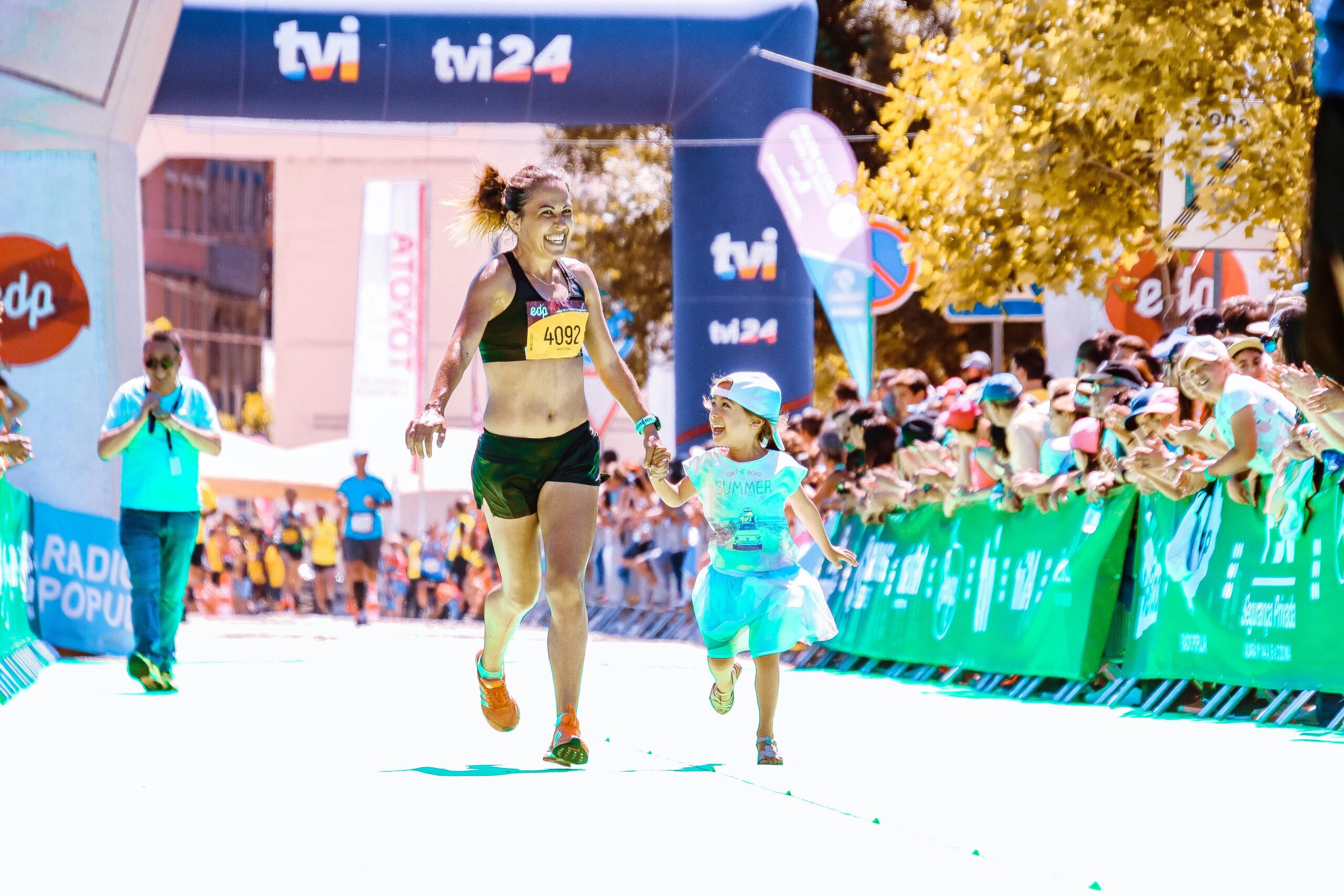
Involve children in your running when appropriate. Stroller runs, kids’ running events, and age-appropriate jogging together model healthy behaviors while creating shared experiences. As children grow, they often become your biggest cheerleaders, proud of their runner mom.
Embracing the Long-Term Perspective
The postpartum period represents a brief chapter in a potentially decades-long running journey. Rushing recovery or training through this season often creates setbacks that extend timelines more than patient, progressive approaches. Trust the process, honor your body’s recovery needs, and recognize that you’re building sustainable practices for lifelong running.
Many elite runners report their best performances came after having children, once they developed the mental toughness, time efficiency, and perspective that motherhood cultivates. The strengths you develop balancing training with parenting—resilience, adaptability, and determination—often translate to improved athletic performance alongside enhanced life satisfaction.
You’re not just maintaining fitness during early motherhood—you’re modeling powerful lessons for your children about prioritizing health, pursuing goals, and honoring commitments despite challenges. Every run demonstrates that mothers are complete people with identities, passions, and needs beyond caregiving. This example may prove more valuable than any specific race result or mileage total.
Running strong and being mom strong aren’t competing priorities but complementary strengths. The discipline, endurance, and joy you find in running enhance your capacity for the marathon of motherhood. With evidence-based strategies, realistic expectations, and compassionate self-talk, you can thrive in both roles—not despite each other, but because of the resilience and confidence each domain develops.