
The journey back to running after having a baby is filled with conflicting advice, old wives’ tales, and well-meaning but often misleading information. New mothers deserve to know the truth about postpartum running so they can make informed decisions about their recovery and fitness goals.

Whether you’re an experienced runner eager to lace up your shoes again or someone looking to start a running routine postpartum, understanding the facts versus fiction can make all the difference. This article will debunk the most common myths surrounding postpartum running and provide you with evidence-based guidance for safely returning to the sport you love.
🏃♀️ The Six-Week Rule Is All You Need to Follow
Perhaps the most pervasive myth in postpartum running is that once you receive medical clearance at your six-week checkup, you’re automatically ready to run at your pre-pregnancy level. This oversimplification can lead to injuries and setbacks for many new mothers.
The six-week medical clearance typically indicates that your uterus has returned to its normal size and any vaginal or cesarean incisions have healed sufficiently. However, this doesn’t mean your pelvic floor, abdominal muscles, or connective tissues have fully recovered from the demands of pregnancy and childbirth.
Running is a high-impact activity that places significant stress on the pelvic floor with each stride. Research shows that runners experience forces of approximately 2.5 times their body weight with every foot strike. Without proper preparation, this can lead to pelvic floor dysfunction, including incontinence, prolapse, or pain.
What You Should Do Instead
Before returning to running, consider completing a graduated return-to-running program that includes strength training, walking progression, and pelvic floor assessment. Many physiotherapists recommend waiting at least 12 weeks postpartum before attempting to run, though individual timelines vary significantly.
Working with a pelvic floor physiotherapist can help identify any issues that need addressing before you start running. They can assess for diastasis recti, pelvic organ prolapse, and pelvic floor muscle function to ensure you’re truly ready.
You Should Wait Until You Stop Breastfeeding to Run
This myth likely stems from concerns about the hormone relaxin, which increases during pregnancy and remains elevated while breastfeeding. Some believe this makes running too risky due to increased joint laxity and injury risk.
While it’s true that relaxin affects connective tissue, there’s no evidence suggesting that breastfeeding mothers should avoid running entirely. In fact, moderate exercise during breastfeeding has been shown to have no negative effects on milk supply or composition when mothers maintain adequate nutrition and hydration.
Many professional athletes have successfully returned to running while breastfeeding, demonstrating that it’s possible with the right preparation and support. The key is listening to your body and making appropriate adjustments to your training intensity and volume.
Making Running Compatible with Breastfeeding
If you choose to run while breastfeeding, invest in a high-quality sports bra designed for nursing mothers. Running after feeding or pumping can increase comfort significantly. Stay well-hydrated and ensure you’re consuming enough calories to support both exercise and milk production.
Some mothers report temporary decreases in milk supply when they resume intense training, but this is typically related to inadequate calorie intake or dehydration rather than the exercise itself.
🤱 Running Will Damage Your Pelvic Floor Permanently
On the opposite end of the spectrum, some sources suggest that running postpartum will inevitably cause permanent pelvic floor damage. This fear-based messaging can discourage mothers from pursuing activities they love and may prevent them from experiencing the mental and physical health benefits of running.
The truth is more nuanced. Running can stress the pelvic floor, especially if you return too soon or without proper preparation. However, with appropriate rehabilitation, strength training, and a gradual progression, many women can return to running without experiencing pelvic floor dysfunction.
Studies show that nulliparous athletes (those who have never given birth) also experience pelvic floor issues at rates comparable to postpartum runners, suggesting that training load and technique play significant roles beyond pregnancy and childbirth.
Protecting Your Pelvic Floor
Focus on rebuilding your core and pelvic floor strength before returning to running. This includes exercises that target the deep abdominal muscles, pelvic floor muscles, glutes, and hip stabilizers. A strong foundation reduces the stress placed on the pelvic floor during high-impact activities.
Pay attention to warning signs such as heaviness in the pelvic region, leaking urine, pain during or after running, or visible bulging in the vaginal area. These symptoms indicate that you should pause your running program and consult with a pelvic floor physiotherapist.
Your Body Will Never Be the Same, So Don’t Expect to Return to Your Previous Performance
While it’s true that pregnancy and childbirth create changes in your body, the belief that you can never return to your previous running performance is simply not supported by evidence. Numerous elite athletes have returned to competition after having children, often achieving personal bests and breaking records.
The postpartum period does require patience and realistic expectations. Your cardiovascular fitness may have decreased during pregnancy, and your body composition has changed. Sleep deprivation and the demands of caring for a newborn also affect your recovery and training capacity.
However, with consistent training, adequate recovery, and proper support, many runners find they can return to their pre-pregnancy performance levels or even surpass them. Some mothers report improved mental toughness and perspective on training after experiencing childbirth.
Setting Realistic Timelines 📅
Research suggests it takes approximately one year postpartum for most runners to return to their previous performance levels. This timeline can vary based on factors including fitness level during pregnancy, type of delivery, complications, sleep quality, and training consistency.
Focus on process goals rather than outcome goals initially. Celebrate completing your runs, gradually increasing distance, and staying injury-free rather than obsessing over pace or race times in the early months.
You Need to Lose All the Baby Weight Before You Start Running
This myth combines body image concerns with misunderstandings about exercise and weight loss. While carrying extra weight does increase the impact forces on your joints and pelvic floor, waiting until you’ve lost all pregnancy weight isn’t necessary or even advisable for most women.
Exercise, including running, can be part of a healthy postpartum recovery regardless of your weight. In fact, waiting to exercise until you’ve lost weight can create a frustrating cycle, as exercise itself contributes to weight management and overall health.
The focus should be on functional readiness rather than a number on the scale. Can you perform basic strength exercises without pain? Can you walk briskly for 30 minutes comfortably? Have you been cleared by your healthcare provider? These factors matter more than your weight.
Body-Positive Running Postpartum 💪
Approach postpartum running with a focus on what your body can do rather than how it looks. Your body has accomplished the remarkable feat of growing and birthing a human. Give it credit for its strength and capability rather than criticizing its appearance.
If you’re carrying more weight than feels comfortable for running, consider starting with lower-impact activities like walking, swimming, or cycling while building strength. As your fitness improves and your body composition changes naturally, you can progress to running.
Cesarean Section Means You Can’t Return to Running
Mothers who have had cesarean deliveries often receive additional warnings about returning to running, with some being told they should avoid it indefinitely. While a cesarean section does require special consideration, it doesn’t preclude you from running postpartum.
A cesarean is major abdominal surgery, and the recovery process differs from vaginal delivery. The incision cuts through multiple layers of tissue, including the abdominal muscles, which need time to heal properly. However, with appropriate rehabilitation, most women can safely return to running after cesarean delivery.
You may need to wait slightly longer than someone who had an uncomplicated vaginal delivery, typically at least 12 weeks, and focus extensively on core rehabilitation. The scar tissue from the incision can affect abdominal muscle function and may require specific treatment from a physiotherapist trained in scar tissue mobilization.
Special Considerations for C-Section Recovery
Start with gentle scar massage once your incision has healed externally (usually around 6-8 weeks). This helps prevent adhesions and improves tissue mobility. Work with a physiotherapist who can assess your scar and teach you appropriate techniques.
Pay particular attention to rebuilding core strength, as the surgical incision disrupts the abdominal wall. Focus on exercises that integrate your entire core system rather than just traditional crunches or sit-ups.
🏃 You Should Run Through Any Discomfort to Build Back Your Fitness
The “no pain, no gain” mentality has no place in postpartum running. Pain is your body’s signal that something isn’t right, and ignoring it can lead to serious injuries that sideline you for much longer than taking time to address the underlying issue.
Common postpartum running injuries include pelvic girdle pain, stress fractures, pelvic floor dysfunction, and hip or knee pain. Many of these develop because runners progress too quickly or ignore early warning signs.
Distinguish between the normal discomfort of building fitness and pain that indicates a problem. Muscle fatigue and mild soreness that improves with warm-up and resolves within a day or two is typically acceptable. Sharp pain, pain that worsens during your run, or persistent discomfort lasting more than 48 hours requires attention.
Listening to Your Postpartum Body
Your postpartum body communicates differently than your pre-pregnancy body. You may find that your tolerance for training volume and intensity has changed, at least temporarily. Honor these signals rather than pushing through them.
Keep a training log that tracks not only your running but also your sleep quality, energy levels, and any symptoms like leaking, heaviness, or pain. Patterns in this data can help you identify when you’re doing too much or when something needs professional evaluation.
Creating Your Evidence-Based Return-to-Running Plan
Now that we’ve busted the major myths, let’s focus on what actually works for safely returning to running postpartum. A comprehensive plan addresses multiple components of fitness and recovery.
The Foundation Phase (Weeks 0-12)
During the first 12 weeks postpartum, focus on recovery and rebuilding basic strength. This phase includes gentle walking, pelvic floor exercises, and core restoration work. You’re not being lazy or overly cautious—you’re investing in a sustainable return to running.
Start with breathing exercises that coordinate your diaphragm and pelvic floor. Progress to exercises that challenge your core stability in various positions. Add in strength training for your glutes, hips, and legs using bodyweight and light resistance.
The Building Phase (Weeks 12-24)
After receiving clearance from a healthcare provider and ideally a pelvic floor physiotherapist, you can begin a walk-run program. Start with short intervals of running (30-60 seconds) interspersed with walking recovery periods.
Progress gradually, increasing either the duration of run intervals or the total workout time, but not both simultaneously. Most programs recommend increasing your running volume by no more than 10% per week.
Continue your strength training throughout this phase. Many postpartum running injuries occur because runners focus exclusively on logging miles while neglecting the strength work that supports injury-free running.
The Performance Phase (6+ Months)
Once you’ve built a consistent base and can run continuously for 20-30 minutes without symptoms, you can begin reintroducing faster running and longer distances. This is also when you might consider returning to racing if that’s part of your goals.
Remember that your priorities may have shifted. It’s perfectly acceptable to run for stress relief and fitness rather than chasing personal records. Many postpartum runners find joy in new aspects of the sport, like running with a jogging stroller or joining a mother’s running group.
🎯 Key Benchmarks Before Returning to Running
Several functional benchmarks can help you determine if you’re ready to start running. These criteria provide objective measures of readiness beyond simply receiving medical clearance.
- Walk for 30 minutes continuously at a brisk pace without pain or pelvic floor symptoms
- Perform 20 single-leg calf raises on each leg with control
- Hold a single-leg stance for 10 seconds on each leg without wobbling
- Complete 20 single-leg bridges on each side
- Perform 10 single-leg squats with proper form on each leg
- Hop in place 20 times on each leg without leaking, pain, or heaviness
- Run on the spot for 1 minute without pelvic floor symptoms
If you cannot complete these benchmarks, continue building your strength and stability before progressing to running. These exercises aren’t arbitrary—they demonstrate that you have the strength, balance, and pelvic floor control necessary to handle the demands of running.
Finding Support for Your Postpartum Running Journey
You don’t have to navigate postpartum running alone. Building a support system can make the difference between a frustrating experience and a successful return to the sport.
Consider working with a pelvic floor physiotherapist who specializes in treating postpartum athletes. They can identify issues early and provide targeted interventions to address them. Many runners wish they had consulted a specialist sooner rather than trying to push through problems on their own.
Connect with other postpartum runners through local running groups or online communities. Sharing experiences with others who understand the unique challenges of balancing motherhood and running can provide motivation and practical tips.
Communicate openly with your partner, family, and friends about your running goals and why they matter to you. Having their support in managing childcare and household responsibilities makes it easier to prioritize your training and recovery.
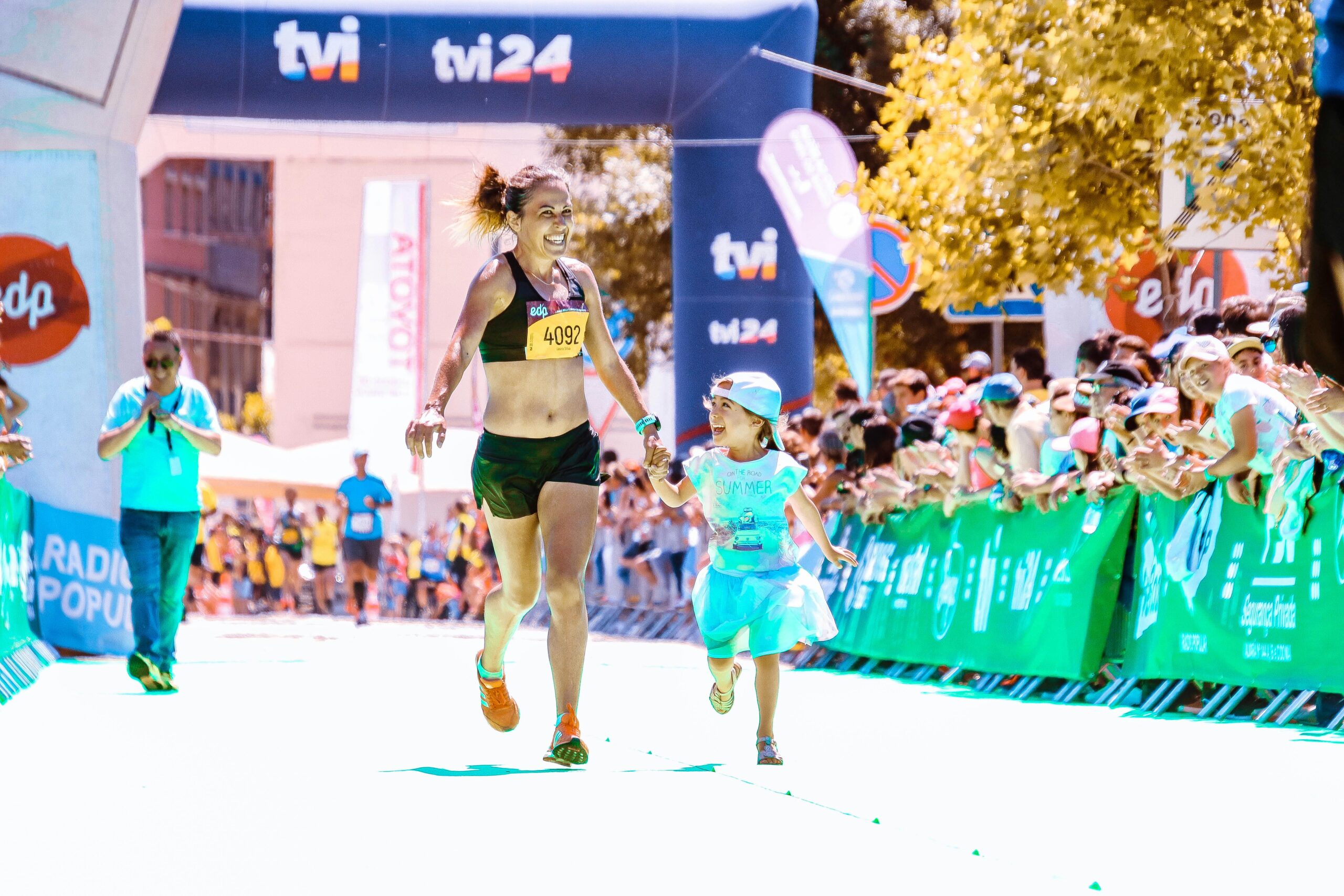
💚 Embracing the New You as a Postpartum Runner
Perhaps the most important truth about postpartum running is that it represents an opportunity to develop a new relationship with running and with your body. You’re not trying to return to exactly who you were before pregnancy—you’re discovering who you are as an athlete and mother.
This phase of your running life may challenge you in unexpected ways. You’ll likely need to be more creative with your training, more patient with your progress, and more compassionate with yourself when things don’t go as planned. These are valuable skills that will serve you well both as a runner and as a parent.
Many mothers find that running postpartum becomes even more meaningful than it was before. It provides precious time for themselves, reduces stress, boosts mood, and sets a powerful example of prioritizing health and self-care for their children.
The myths surrounding postpartum running often stem from outdated information, fear, or overgeneralization. By understanding the evidence-based truth, you can make informed decisions that honor both your running goals and your postpartum recovery. Take your time, listen to your body, seek professional guidance when needed, and trust that with the right approach, you can enjoy running as a mother just as much—or perhaps even more—than you did before.