
Pelvic floor health is one of the most overlooked aspects of overall wellness, yet it plays a crucial role in daily comfort, confidence, and quality of life.

Whether you’ve experienced issues like incontinence, prolapse, or postpartum weakness, or simply want to maintain optimal pelvic strength, understanding how to prevent relapse and build lasting resilience is essential. The pelvic floor muscles support vital organs, control bladder and bowel function, and contribute to sexual health—making their care a priority for people of all ages and genders.
🧘♀️ Understanding Your Pelvic Floor: The Foundation of Wellness
The pelvic floor consists of a complex network of muscles, ligaments, and connective tissues that stretch like a hammock from the pubic bone to the tailbone. These muscles support the bladder, uterus (in women), prostate (in men), and rectum while maintaining continence and contributing to core stability.
When these muscles become weakened or dysfunctional, a range of symptoms can emerge including urinary leakage, fecal incontinence, pelvic organ prolapse, lower back pain, and reduced sexual sensation. Risk factors include pregnancy and childbirth, chronic constipation, heavy lifting, obesity, aging, and certain medical conditions.
Recognizing early warning signs is crucial for preventing progression. These may include feeling heaviness or pressure in the pelvic area, difficulty emptying the bladder completely, leaking urine during coughing or exercise, or pain during intercourse.
Why Relapse Happens: Breaking the Cycle
Many people experience initial improvement with pelvic floor therapy or exercises, only to find symptoms returning months or years later. Understanding why relapse occurs is the first step toward prevention.
Common Causes of Pelvic Floor Dysfunction Relapse
- Discontinuing exercises: Pelvic floor strength requires ongoing maintenance, not just a temporary fix
- Life changes: New pregnancies, weight gain, or increased physical demands can challenge previous gains
- Improper technique: Performing exercises incorrectly can reinforce dysfunction rather than correct it
- Underlying issues: Unaddressed factors like chronic coughing, constipation, or posture problems
- Overtraining: Yes, you can overwork pelvic floor muscles, creating tension and dysfunction
The key to preventing relapse lies in developing sustainable habits that become integrated into your lifestyle rather than treating pelvic floor health as a temporary project with an endpoint.
🎯 Proven Strategies for Long-Term Pelvic Floor Health
Maintaining pelvic floor strength requires a multifaceted approach that addresses exercise, lifestyle factors, and mindful awareness. Here are evidence-based strategies that deliver lasting results.
Perfecting Your Pelvic Floor Exercise Technique
Research shows that up to 30% of women perform pelvic floor exercises incorrectly when given only verbal or written instructions. Working with a pelvic floor physical therapist at least initially can ensure you’re engaging the right muscles with proper technique.
A correct Kegel contraction involves gently squeezing and lifting the muscles around the urethra, vagina, and anus as if stopping the flow of urine and holding back gas simultaneously. The squeeze should move inward and upward, not bearing down. Your abdomen, buttocks, and thighs should remain relaxed.
Quality matters more than quantity. Three sets of 10-15 contractions daily, holding each for 5-10 seconds with equal rest time between, is more effective than doing hundreds of quick, poorly executed repetitions.
Creating a Sustainable Exercise Routine
Consistency is the cornerstone of preventing relapse. Rather than viewing pelvic floor exercises as a chore, link them to existing daily habits—during your morning coffee, while brushing your teeth, or during your commute.
Beyond traditional Kegels, incorporate functional movements that challenge the pelvic floor in coordination with the entire core:
- Bridge exercises: Strengthen glutes and pelvic floor simultaneously
- Squats: Build functional strength with proper breathing patterns
- Dead bugs: Coordinate core and pelvic floor activation
- Bird dogs: Improve stability and coordination
Variety prevents both boredom and muscle adaptation, ensuring continued improvement and engagement.
💪 Addressing the Whole Body Connection
The pelvic floor doesn’t function in isolation—it’s an integral part of your core system, working in concert with the diaphragm, abdominal muscles, and back muscles. Addressing total body mechanics is essential for lasting pelvic health.
Breathing Mechanics and Pelvic Floor Function
Proper breathing creates optimal intra-abdominal pressure and pelvic floor coordination. Many people hold their breath during exertion or breathe shallowly into their chest, creating excessive downward pressure on the pelvic floor.
Practice diaphragmatic breathing: place one hand on your chest and one on your belly. As you inhale, your belly should expand while your chest remains relatively still. On exhalation, gently engage your pelvic floor and deep core muscles. This coordination protects the pelvic floor during daily activities.
Posture and Alignment Fundamentals
Chronic postural issues significantly impact pelvic floor function. Slouching compresses the abdominal cavity and alters pressure distribution, while excessive arching of the lower back can overstretch pelvic floor muscles.
Optimal alignment includes a neutral spine with ears over shoulders, shoulders over hips, and hips over ankles. When sitting, ensure your hips are level with or slightly higher than your knees, with both feet flat on the floor.
| Posture Problem | Pelvic Floor Impact | Quick Fix |
|---|---|---|
| Forward head position | Increases abdominal pressure | Tuck chin slightly, elongate neck |
| Rounded shoulders | Restricts breathing mechanics | Roll shoulders back and down |
| Anterior pelvic tilt | Weakens pelvic floor support | Engage lower abs, soften ribs |
| Locked knees when standing | Reduces shock absorption | Maintain soft, slightly bent knees |
🍎 Lifestyle Modifications That Protect Your Progress
Even the most dedicated exercise routine can be undermined by daily habits that strain the pelvic floor. Making strategic lifestyle adjustments creates an environment where your pelvic floor can thrive.
Managing Intra-Abdominal Pressure
Activities that significantly increase abdominal pressure can overwhelm healing or weakened pelvic floor muscles. This doesn’t mean avoiding these activities forever, but rather learning proper technique and building strength gradually.
When lifting, exhale on exertion while gently engaging your pelvic floor and core. Avoid breath-holding, which creates a pressure spike. For heavy lifting, use proper body mechanics: bend at the knees, keep items close to your body, and avoid twisting.
Optimizing Digestive Health
Chronic constipation and straining during bowel movements is one of the most damaging habits for pelvic floor health. The repeated bearing down stretches and weakens supportive tissues over time.
Support healthy elimination through adequate hydration (aim for 8-10 glasses of water daily), sufficient fiber intake (25-30 grams daily), regular physical activity, and establishing consistent bathroom routines. A toilet stool that elevates your feet creates a more natural squatting position that facilitates easier bowel movements.
Weight Management and Its Impact
Excess body weight increases chronic pressure on the pelvic floor. Research demonstrates that even modest weight loss of 5-10% can significantly improve incontinence symptoms and reduce prolapse risk.
Approach weight management through sustainable dietary changes and low-impact exercise that doesn’t exacerbate pelvic floor symptoms—swimming, walking, cycling, and modified strength training are excellent options during rehabilitation.
🔄 Recognizing and Responding to Warning Signs
Preventing relapse requires vigilant awareness of your body’s signals and responding promptly before minor setbacks become major problems.
Early Warning System
Keep a simple symptom journal noting any changes, however subtle. Red flags include increased urgency or frequency of urination, return of leaking during activities that previously didn’t cause problems, heaviness or pressure in the pelvic area, or discomfort during exercise or intimacy.
Don’t dismiss minor symptoms as insignificant or inevitable. Early intervention when symptoms first appear is much more effective than waiting until dysfunction becomes severe.
When to Seek Professional Help
While self-management strategies are valuable, certain situations require professional guidance. Consult a pelvic floor physical therapist if you experience worsening symptoms despite consistent exercise, are unsure if you’re performing exercises correctly, have pain during pelvic floor exercises, or are planning pregnancy or recovering postpartum.
Pelvic floor physical therapy is specialized—not all physical therapists have this training. Look for practitioners certified in pelvic floor rehabilitation who can perform internal assessments and provide personalized treatment plans.
💡 Building Confidence Through Knowledge and Self-Advocacy
Pelvic floor dysfunction carries significant emotional weight, often accompanied by embarrassment, anxiety, and reduced quality of life. Rebuilding confidence is as important as physical rehabilitation.
Breaking the Silence
Pelvic floor issues are incredibly common—one in three women experiences urinary incontinence, and pelvic organ prolapse affects up to 50% of women who have given birth. Men also experience pelvic floor dysfunction, particularly related to prostate issues. Yet stigma prevents many people from seeking help.
Opening conversations with trusted healthcare providers, partners, or support groups reduces isolation and connects you with resources. You’re not alone, and these issues are medical conditions deserving of proper treatment, not sources of shame.
Tracking Progress Effectively
Maintaining motivation requires recognizing improvements, which can be gradual and easy to overlook. Document your baseline symptoms—how many leaks per day, how many pads used, activities avoided—and reassess monthly.
Celebrate non-scale victories: being able to sneeze without leaking, returning to exercises you’d abandoned, improved intimacy, or simply feeling more comfortable in your body. These markers of progress are as important as clinical measurements.
🌟 Advanced Strategies for Sustained Success
Once you’ve established foundational habits, these advanced strategies can optimize long-term outcomes and resilience.
Hypopressive Exercises for Core and Pelvic Floor
Hypopressive exercises involve specific breathing patterns and postural techniques that create a vacuum effect, gently lifting the pelvic floor and strengthening the deep core without increasing intra-abdominal pressure. These can be particularly beneficial for people with prolapse or diastasis recti.
These techniques should be learned from a qualified instructor initially, as proper form is essential for effectiveness and safety.
Biofeedback and Technology-Assisted Training
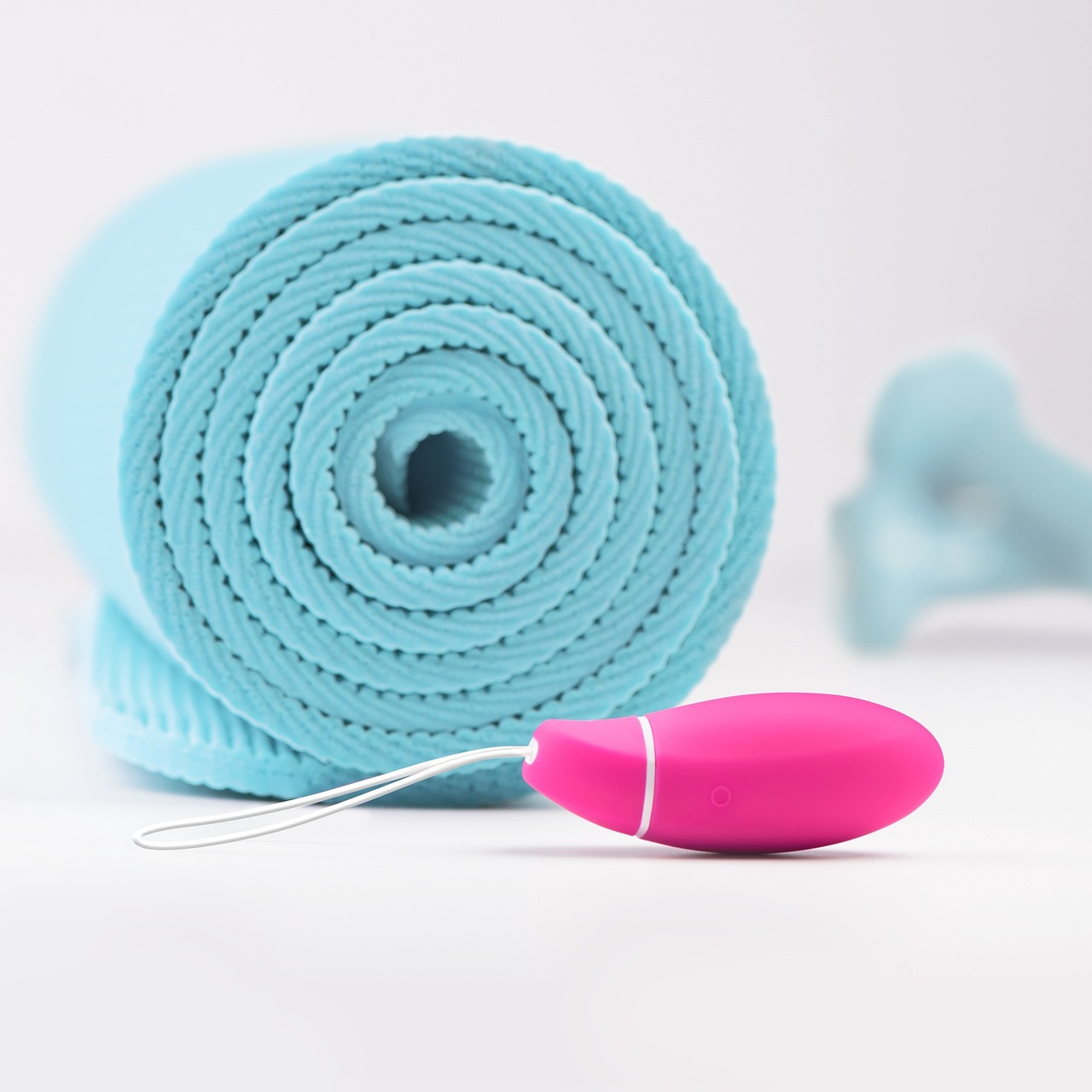
Biofeedback devices provide real-time information about muscle contractions, helping you verify you’re engaging the right muscles with appropriate strength. Some devices connect to smartphone apps that gamify training and provide structured programs.
While not essential for everyone, biofeedback can be valuable for people who struggle with muscle awareness or need extra motivation and tracking capabilities.
Preparing for Life Changes
Major life events—pregnancies, surgeries, menopause, significant weight changes—can challenge pelvic floor health. Proactive preparation and strategic modification during transitions can prevent dysfunction.
Before planned pregnancies or surgeries, maximize pelvic floor strength. During transition periods, work closely with specialists to modify activities appropriately, then gradually rebuild afterward with professional guidance.
🎉 Your Empowered Path Forward
Mastering pelvic floor health isn’t about perfection or achieving a destination—it’s about cultivating sustainable practices that support your body throughout life’s changes. The strategies outlined here provide a comprehensive framework for preventing relapse and building lasting confidence.
Start where you are with small, manageable changes. Commit to consistent pelvic floor exercises with proper technique. Address lifestyle factors that undermine your progress. Listen to your body’s signals and respond proactively. Seek professional guidance when needed, without embarrassment or delay.
Every body is different, and what works optimally for one person may need adjustment for another. Be patient with the process, celebrate incremental progress, and remember that investing in pelvic floor health pays dividends in comfort, confidence, and quality of life for decades to come.
Your pelvic floor has supported you through countless daily activities—now it’s time to support it with the attention, knowledge, and consistent care it deserves. The journey to lasting pelvic floor health begins with a single intentional contraction and builds into a lifetime of empowered wellness. 🌈