The postpartum period is a transformative journey that demands specialized attention to physical recovery and strength rebuilding. New mothers who are athletes face unique challenges that require evidence-based programming designed specifically for their needs.

Returning to athletic performance after childbirth isn’t simply about resuming previous training routines. The body has undergone profound physiological changes that affect everything from core stability to hormonal balance, requiring a thoughtful, progressive approach to strength training that honors both recovery and performance goals.
🔬 Understanding the Postpartum Body: What Science Tells Us
The postpartum body is remarkably different from its pre-pregnancy state, even for highly trained athletes. Research shows that tissue healing, hormonal fluctuations, and musculoskeletal adaptations continue for at least 12 months after delivery, and sometimes longer depending on individual circumstances and breastfeeding status.
Diastasis recti, the separation of abdominal muscles, affects approximately 60% of postpartum women at six weeks and 32% at one year postpartum. Pelvic floor dysfunction, including incontinence and prolapse, impacts nearly one-third of postpartum athletes. These conditions aren’t signs of weakness—they’re normal physiological responses that require specific attention.
Relaxin, the hormone responsible for ligament laxity during pregnancy, remains elevated for up to five months postpartum in non-breastfeeding mothers and throughout lactation for breastfeeding mothers. This persistent joint mobility increases injury risk and necessitates modified loading strategies even for experienced lifters.
💪 The Foundation: Core and Pelvic Floor Restoration
Before loading barbells or pushing intensity, postpartum athletes must establish foundational core and pelvic floor function. This isn’t about endless planks or traditional “core work”—it’s about restoring the integrated pressure management system that supports all athletic movement.
Breathing Mechanics as the Starting Point
360-degree breathing forms the cornerstone of postpartum strength recovery. This involves expanding the ribcage in all directions during inhalation while maintaining a neutral spine, then coordinating exhalation with gentle pelvic floor and deep core engagement. Athletes should practice this pattern in various positions—supine, quadruped, standing, and eventually under load.
Proper breathing mechanics restore intra-abdominal pressure regulation, which is essential for safe heavy lifting and high-impact activities. Studies demonstrate that coordinated breathing reduces diastasis recti width and improves pelvic floor muscle function more effectively than isolated exercises.
Progressive Core Loading Strategies
Postpartum core training should progress through specific phases:
- Phase 1 (Weeks 0-6): Diaphragmatic breathing, gentle pelvic floor contractions, and supported posture work
- Phase 2 (Weeks 6-12): Anti-extension and anti-rotation exercises with minimal load, such as dead bugs, bird dogs, and pallof presses
- Phase 3 (Weeks 12-20): Integrated core loading through carries, single-leg work, and compound movements with progressive resistance
- Phase 4 (20+ weeks): Sport-specific core challenges including rotational power and impact tolerance as appropriate
Each athlete progresses at her own pace, and these timelines serve as general guidelines rather than rigid rules. Signs of readiness to advance include maintaining neutral alignment under load, absence of pressure sensations in the pelvic floor, and no doming or coning of the abdominal wall during movement.
🏋️ Strength Programming Principles for Postpartum Athletes
Evidence-based postpartum strength programming differs significantly from general population fitness plans. These programs must balance progressive overload with tissue healing, address biomechanical changes, and support the demands of infant care alongside athletic goals.
Volume and Intensity Considerations
Research indicates that postpartum athletes can return to moderate-intensity strength training around 6-8 weeks postpartum with medical clearance, though individual variations exist. The key is manipulating training variables to match current capacity rather than pre-pregnancy performance levels.
Starting with 40-60% of pre-pregnancy training volume allows the body to adapt without overwhelming healing tissues. Intensity should begin at 50-70% of previous maximal loads, with primary focus on movement quality rather than numbers lifted. This conservative approach prevents injury while building confidence and neuromuscular control.
Many postpartum athletes benefit from higher frequency, lower volume sessions—training 4-5 days per week for 30-45 minutes rather than 3 longer sessions. This distribution accommodates unpredictable infant schedules and manages fatigue more effectively.
Movement Pattern Progression
Compound movements should be reintroduced systematically, emphasizing positions that support proper alignment and pressure management:
| Movement Pattern | Early Postpartum Variation | Advanced Progression |
|---|---|---|
| Squat | Box squat, goblet squat | Back squat, front squat, overhead squat |
| Hinge | Supported hip hinge, kettlebell deadlift | Conventional deadlift, Romanian deadlift |
| Push | Incline push-up, landmine press | Barbell bench press, overhead press |
| Pull | Supported rows, lat pulldowns | Pull-ups, barbell rows |
| Carry | Farmer’s carry, suitcase carry | Overhead carry, complex carries |
Single-leg exercises deserve special emphasis in postpartum programming. They develop unilateral strength, improve balance compromised by postural changes, and create functional capacity for everyday parenting activities. Split squats, step-ups, and single-leg deadlifts should feature prominently throughout all training phases.
⚡ Addressing Common Postpartum Training Challenges
Managing Fatigue and Recovery
Sleep deprivation significantly impacts recovery, neuromuscular function, and injury risk. Postpartum athletes average 4-6 hours of fragmented sleep nightly during the first months, creating a chronic recovery deficit that programming must accommodate.
Auto-regulation becomes essential—using RPE (rate of perceived exertion) scales and readiness assessments to modify daily training intensity. On low-energy days, reducing weight by 10-20% while maintaining movement patterns preserves training consistency without accumulating excessive fatigue.
Recovery modalities take on heightened importance. Prioritizing protein intake (1.6-2.2g/kg body weight), staying hydrated, and incorporating gentle movement on rest days supports adaptation. Brief naps when possible, even 20 minutes, provide disproportionate recovery benefits for the sleep-deprived postpartum athlete.
Navigating Breastfeeding and Training
Contrary to outdated myths, exercise doesn’t negatively impact milk supply or composition when nutrition and hydration are adequate. However, breastfeeding athletes require approximately 300-500 additional calories daily, and training adds further energy demands.
Timing training sessions after nursing or pumping enhances comfort and performance. Supportive sports bras designed for nursing mothers reduce discomfort during movement. Some athletes find that milk supply responds best when training intensity increases gradually rather than suddenly.
Hormonal fluctuations related to breastfeeding, particularly elevated prolactin and suppressed estrogen, may affect strength gains and body composition changes. Understanding these factors helps set realistic expectations—progress happens, but timelines may extend beyond pre-pregnancy experience.
🎯 Sport-Specific Return to Performance
Athletes returning to specific sports need progressive exposure to sport-specific demands beyond general strength training. Running, jumping, lifting, and rotational sports each present unique challenges for the postpartum body.
Return to Running Protocol
Running creates impact forces of 2-3 times body weight with each stride, challenging pelvic floor function and core stability. Evidence-based return-to-running programs recommend passing specific benchmarks before resuming:
- Walking 30 minutes without pain or pelvic floor symptoms
- Single-leg standing for 10 seconds with eyes closed
- Single-leg squat for 20 repetitions with proper form
- Forward and lateral bounding without symptoms
- Single-leg calf raises for 20-25 repetitions
Initial running should follow a walk-run progression, starting with 1-2 minute running intervals separated by equal walking recovery. Total session duration begins at 20-30 minutes, gradually increasing running intervals while decreasing walking recovery over 6-8 weeks.
Olympic Lifting and High-Impact Training
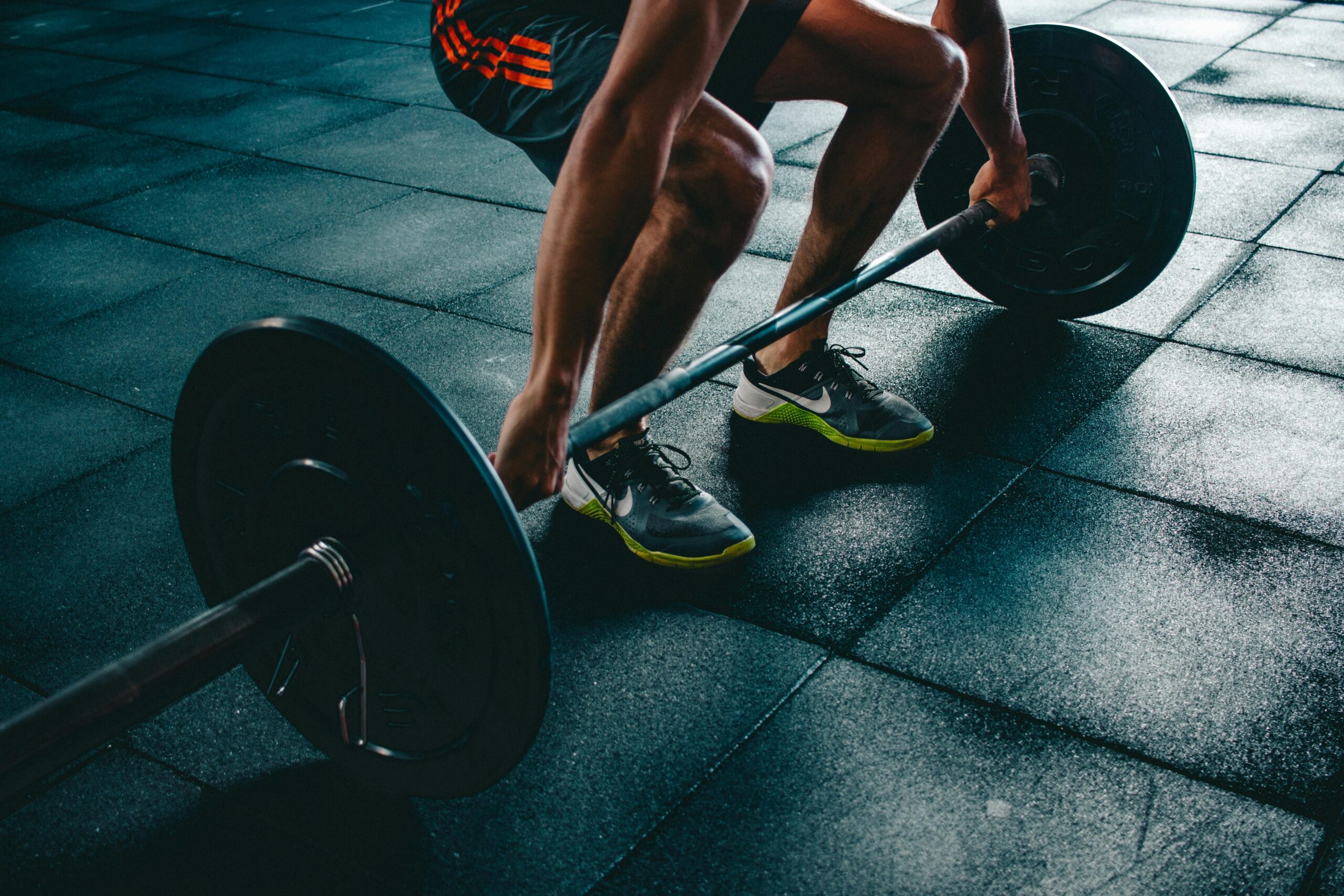
Olympic weightlifting movements and plyometric training require exceptional core control and timing. These activities typically represent later-stage progressions, generally introduced 6-12 months postpartum after establishing solid strength foundations.
Power development begins with medicine ball throws and box step-ups before advancing to hang cleans, push presses, and kettlebell swings. Jump training progresses from bilateral to unilateral, and from vertical to horizontal, always monitoring for pelvic floor symptoms that indicate inadequate readiness.
📊 Monitoring Progress and Knowing When to Modify
Objective and subjective markers guide programming adjustments. Postpartum athletes should regularly assess both performance metrics and symptom presentation to ensure training supports rather than hinders recovery.
Red Flags Requiring Program Modification
Certain symptoms indicate the need to reduce intensity, modify exercises, or seek professional guidance:
- Urinary leakage during or after exercise
- Pelvic pressure, heaviness, or bulging sensations
- Abdominal doming or coning during core exercises
- Pain in the pelvis, low back, or pelvic floor
- Bleeding beyond expected lochia timeline
- Excessive fatigue disproportionate to training load
These symptoms aren’t failures—they’re valuable feedback indicating training has exceeded current tissue capacity. Addressing them promptly prevents long-term dysfunction and allows continued training at appropriate intensities.
Positive Progress Indicators
Signs of successful progression include improved movement quality, increased training capacity without symptoms, better energy levels, enhanced confidence in physical abilities, and measurable strength gains. Body composition changes often lag behind strength improvements during the breastfeeding period, making performance-based goals more appropriate primary markers.
🤝 Building Your Postpartum Performance Team
Optimal postpartum athletic recovery typically involves multiple professionals. While not every athlete needs extensive support, knowing which specialists can help addresses specific challenges efficiently.
Pelvic floor physical therapists specializing in athletes provide invaluable assessment and treatment for core and pelvic floor dysfunction. These professionals evaluate muscle strength, coordination, and timing while identifying compensatory patterns that affect performance.
Postpartum-specific strength coaches understand the unique programming needs of new mothers and can modify training based on individual recovery status. They bridge the gap between rehabilitation and performance, progressing athletes safely toward their goals.
Lactation consultants, nutritionists familiar with athletic populations, and mental health professionals specializing in perinatal mood disorders round out comprehensive support teams. The postpartum period affects physical, nutritional, and psychological health—addressing all dimensions optimizes outcomes.
🌟 Thriving Beyond Survival: The Long-Term Perspective
The postpartum return to strength training isn’t merely about recovering pre-pregnancy fitness—it’s an opportunity to build resilient, capable bodies that support both athletic pursuits and parenting demands. Many athletes report becoming stronger, more injury-resistant, and more mentally tough after having children.
This transformation requires patience with non-linear progress. Some weeks bring surprising strength gains; others involve managing setbacks from illness, sleep regression, or life demands. Celebrating small victories—completing a workout despite exhaustion, lifting without symptoms, or simply showing up—sustains motivation through challenging phases.
The habits established during postpartum recovery often create sustainable long-term training practices. Learning to train efficiently in shorter sessions, listen to body signals, and balance multiple priorities serves athletes well beyond the postpartum period.
💡 Practical Implementation: Your First 12 Weeks
A sample framework for the initial postpartum strength training period provides structure while allowing individual customization. This template assumes medical clearance around 6-8 weeks for uncomplicated vaginal delivery, with modifications for cesarean delivery or complications.
Weeks 1-6 focus on gentle rehabilitation: diaphragmatic breathing practice multiple times daily, walking as tolerated, and bodyweight movement exploration. Simple exercises like glute bridges, clamshells, and supported squats rebuild foundational patterns.
Weeks 6-9 introduce structured strength sessions 3-4 times weekly: goblet squats, kettlebell deadlifts, push-ups (modified as needed), inverted rows, and farmer’s carries form the core program. Sets of 8-12 repetitions with moderate loads emphasize movement quality and neuromuscular reconnection.
Weeks 9-12 increase training variation and gradually progress intensity: adding tempo work, unilateral exercises, and core challenges like pallof presses and dead bugs. Training may expand to 4-5 sessions weekly with purposeful progression in load or volume each week.
Throughout these phases, consistent attention to breathing, alignment, and symptom monitoring ensures safe progression. This period establishes habits and patterns that support years of strong, healthy training ahead.
The journey from postpartum recovery to thriving athletic performance demands evidence-based programming, patience with the process, and trust in your body’s remarkable capacity for adaptation. By honoring both where you are and where you’re going, you build not just strength but confidence, resilience, and sustainable performance that extends far beyond the postpartum period. Your strongest chapter may very well lie ahead. 💪